HOMEBlog Most Searched UAE Properties: A Buyer’s Guide
The UAE’s property market is in constant motion, shaped by economic growth, ambitious government initiatives, and a continuous influx of global talent. For prospective buyers and investors, navigating this dynamic landscape requires a deep understanding of what’s driving demand. By analyzing the most searched property types, we can uncover the shifting priorities and preferences of today’s buyers.
This guide explores the key property segments dominating the UAE real estate scene. We will examine transaction data, search trends, and buyer behavior to provide a clear picture of what people are looking for, from affordable studios to luxury branded residences. Understanding these trends is crucial for making informed investment decisions in one of the world’s most exciting property markets.
An Overview of UAE Property Market
The UAE real estate market is currently experiencing a period of sustained growth. A combination of factors, including robust economic expansion, rising tourism, and attractive residency programs, has fueled buyer confidence and transaction volumes. This positive momentum is evident across both the rental and sales markets, attracting a diverse mix of end-users and international investors.
A notable trend is the demographic shift towards younger buyers. First-time purchasers, typically in their 30s, have surged by 25%, often investing between AED 1.2M and AED 3M. This generation is not just looking for a place to live; they are seeking a lifestyle, which influences their property choices and preferred locations. As we explore the different property types, it’s clear that buyer motivations, from affordability and rental yield to space and luxury, are shaping the market’s future.
1. Apartments
Apartments continue to be the backbone of the UAE property market. They account for a staggering 75% of all property transactions, underscoring their widespread appeal. This dominance is even more pronounced in the rental sector, where 81% of tenants are actively searching for apartments.
The popularity of apartments stems from their relative affordability, accessibility, and the variety of options available across the emirates. For many expatriates and young professionals, apartments offer a practical and convenient entry point into the UAE’s vibrant urban lifestyle.
The Sweet Spot: 1-Bedroom Apartments
Within the apartment segment, 1-bedroom units are the clear favorite, making up 43.9% of all apartment sales. This specific property type strikes a perfect balance for both end-users and investors. For residents, it offers sufficient space and privacy without the higher costs associated with larger units. For investors, 1-bedroom apartments provide consistent rental demand and solid returns, making them a reliable asset.
Furthermore, there is a rising demand for furnished units. An estimated 68% of apartment renters now seek furnished options, indicating a preference for turnkey solutions that offer immediate comfort and convenience. This trend presents an opportunity for landlords to command higher rental incomes by providing well-equipped properties.
2. Villas
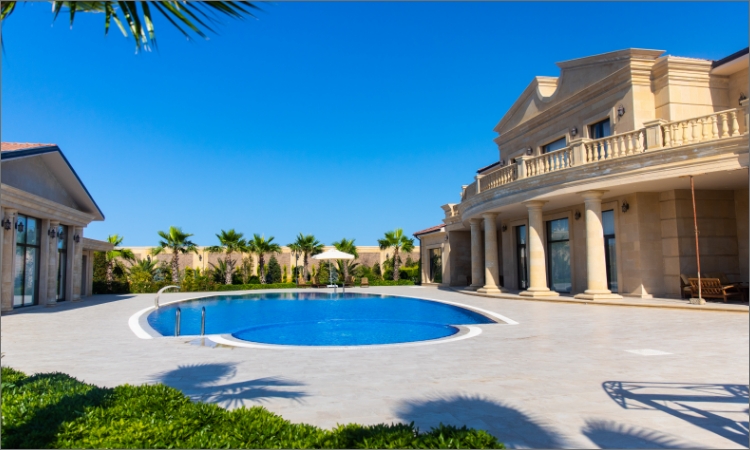
While apartments dominate in volume, villas and townhouses are experiencing a remarkable resurgence. Approximately 42% of property buyers are now looking for a villa or townhouse, a significant increase that reflects a shift in long-term living plans. This trend is largely driven by families who are putting down permanent roots in the UAE and seeking more space, privacy, and community-oriented amenities.
The demand for villas has had a dramatic impact on prices. Since 2020, villa prices have appreciated by an incredible 94%. This surge is compounded by a constrained supply, as new villa developments have not kept pace with the growing demand. This scarcity ensures that well-located villas remain a highly coveted asset.
However, the entry barrier is considerably higher. The average price for a villa ranges from AED 4 million to AED 6 million and beyond, placing them in a premium category. In contrast to apartment renters, 57% of villa tenants prefer unfurnished properties, reflecting their intention to create a long-term family home tailored to their personal tastes.
3. Studios
Don’t let their size fool you, studio apartments are a powerhouse for investors focused on rental income. Though they represent a smaller portion of total searches at just 15%, studios consistently deliver the highest rental yields in the market, often ranging from 7% to 9%.
Their primary appeal is their affordability. With entry costs typically between AED 300,000 and AED 600,000, studios offer an accessible investment opportunity for those looking to generate strong cash flow. They are particularly popular among single professionals, students, and short-term visitors who prioritize location and convenience over expansive living space. For investors, this translates into a low-risk, high-return asset that is relatively easy to rent out and manage.
4. Branded Residences
The most explosive growth in the UAE property market is happening at the ultra-luxury end: branded residences. This segment is expanding at an unprecedented rate, with over 5,500 new units added in the first half of 2024 alone. These properties, associated with prestigious hotel and fashion brands, offer an unparalleled lifestyle complete with five-star amenities and services.
Buyers are willing to pay a significant premium for this exclusivity, typically 40% to 60% higher than comparable non-branded properties. The appeal is twofold: the immediate lifestyle benefits and the strong potential for resale premiums. Branded residences are seen as a status symbol and a secure store of value, attracting high-net-worth individuals from around the world. This segment is redefining luxury living in the UAE and continues to be a major focus for developers.
5. Commercial Office Spaces
Away from the residential market, a quiet boom is taking place in commercial real estate. The demand for office space has surged, pushing vacancy rates down to a historic low of 7.5%. This sector has seen a remarkable 93% year-over-year growth, driven by an influx of new businesses and multinational corporations setting up regional headquarters in hubs like Business Bay and Dubai International Financial Centre (DIFC). This trend signals strong economic confidence and creates parallel opportunities in the residential market as more professionals relocate to the region.
Expert Insights on UAE Market Dynamics
Real estate experts emphasize that the current market is not just a fleeting boom but a structural shift. The government’s long-term vision, coupled with the UAE’s growing reputation as a global hub for business and tourism, provides a solid foundation for sustainable growth.
The rise of younger, first-time buyers is a key indicator of market maturity. These buyers are digitally savvy and prioritize properties with smart home features, sustainable designs, and community-centric lifestyles. Developers who cater to these modern preferences are more likely to attract this influential demographic. Furthermore, the commercial sector is thriving, with office vacancy rates at a historic low of 7.5%, driven by demand from business services and tech companies in areas like Business Bay and DIFC. This commercial growth fuels residential demand as more professionals move to the UAE for work.
Your Next Move in UAE Market
The UAE property market offers a diverse range of opportunities catering to different goals and budgets. Apartments remain the most accessible and liquid asset, while villas appeal to families seeking long-term homes. Studios deliver strong rental yields for investors focused on cash flow, and branded residences open the door to luxury living and world-class amenities.
Understanding these trends is the first step toward making a successful investment. As the market continues to evolve, staying informed about buyer preferences, emerging hotspots, and broader economic drivers becomes essential. Whether you’re a first-time buyer or an experienced investor, the UAE continues to offer exceptional growth potential across its major cities.
If you’re exploring options with top developers or searching for insights from the best real estate companies in Abu Dhabi, partnering with us will help you navigate the market with confidence and gain access to the right opportunities at the right time.
We use cookies to ensure that we give you the best experience on our website. If you continue to use this site we will assume that you are happy with it.