Dubai vs Abu Dhabi Property Investment in 2026: Which UAE Real Estate Market Is Right for You?
HOMEBlog Dubai vs Abu Dhabi Property Investment in 2026: Which UAE Real Estate Market Is Right for You?
When evaluating Dubai vs Abu Dhabi property investment in 2026, investors benefit from two of the Middle East’s most transparent and regulated real estate markets. Both emirates allow foreign ownership in designated areas, protect off-plan buyers through escrow regulations, and offer a tax-efficient environment with no annual property tax.
However, the differences become clearer when examining market performance, registration costs, investment returns, lifestyle preferences, and long-term growth potential. While Dubai remains the UAE’s largest and most liquid property market, Abu Dhabi has emerged as one of the region’s fastest-growing real estate destinations, attracting increasing levels of international investment and demand for master-planned communities.
This guide compares Dubai and Abu Dhabi real estate investment opportunities in 2026, helping buyers determine which market best aligns with their financial and lifestyle goals.
Dubai and Abu Dhabi at a Glance
The table below sums up the main differences a buyer will notice in 2026.
Topic
Dubai
Abu Dhabi
Property Regulator
Dubai Land Department (DLD)
Abu Dhabi Real Estate Centre (ADREC)
Registration Fee
4% of purchase price
2% of purchase price
Foreign Ownership
Designated freehold areas
Designated investment zones
Off-Plan Protection
Escrow accounts
Escrow accounts and interim registration
Market Characteristics
Large and highly liquid; cooling in 2026 after a record 2025
Smaller, but transaction value up 112% in H1 2026
Residential Style
High-rise apartments and mixed-use developments
Low-density villas and master-planned communities
Investment Profile
Greater liquidity and shorter holding periods
Long-term wealth preservation and sustainable growth
Dubai vs Abu Dhabi Real Estate Market Performance in 2026
Dubai: A Large and Highly Liquid Market
Dubai continues to be the UAE’s largest property market, offering investors substantial choice across residential, commercial, and branded real estate sectors.
The emirate recorded AED 286.4 billion in property sales during the first half of 2026, making it the second-strongest first half on record. While activity has moderated compared to the exceptional performance of 2025, Dubai remains attractive for investors seeking:
High market liquidity
Strong resale activity
Diverse property options
International buyer demand
Established rental markets
For those planning a relatively short investment horizon, Dubai’s scale and transaction volume remain significant advantages.
Abu Dhabi: Rapid Growth and Rising Global Interest
Although smaller than Dubai, Abu Dhabi’s real estate market is currently expanding at a faster pace.
The emirate recorded AED 117 billion in real estate transactions during the first half of 2026, representing substantial year-on-year growth. International demand has strengthened considerably, with foreign direct investment reaching record levels and new investment zones continuing to expand buyer access.
Abu Dhabi property investment increasingly appeals to buyers seeking:
Long-term capital appreciation
Lower market volatility
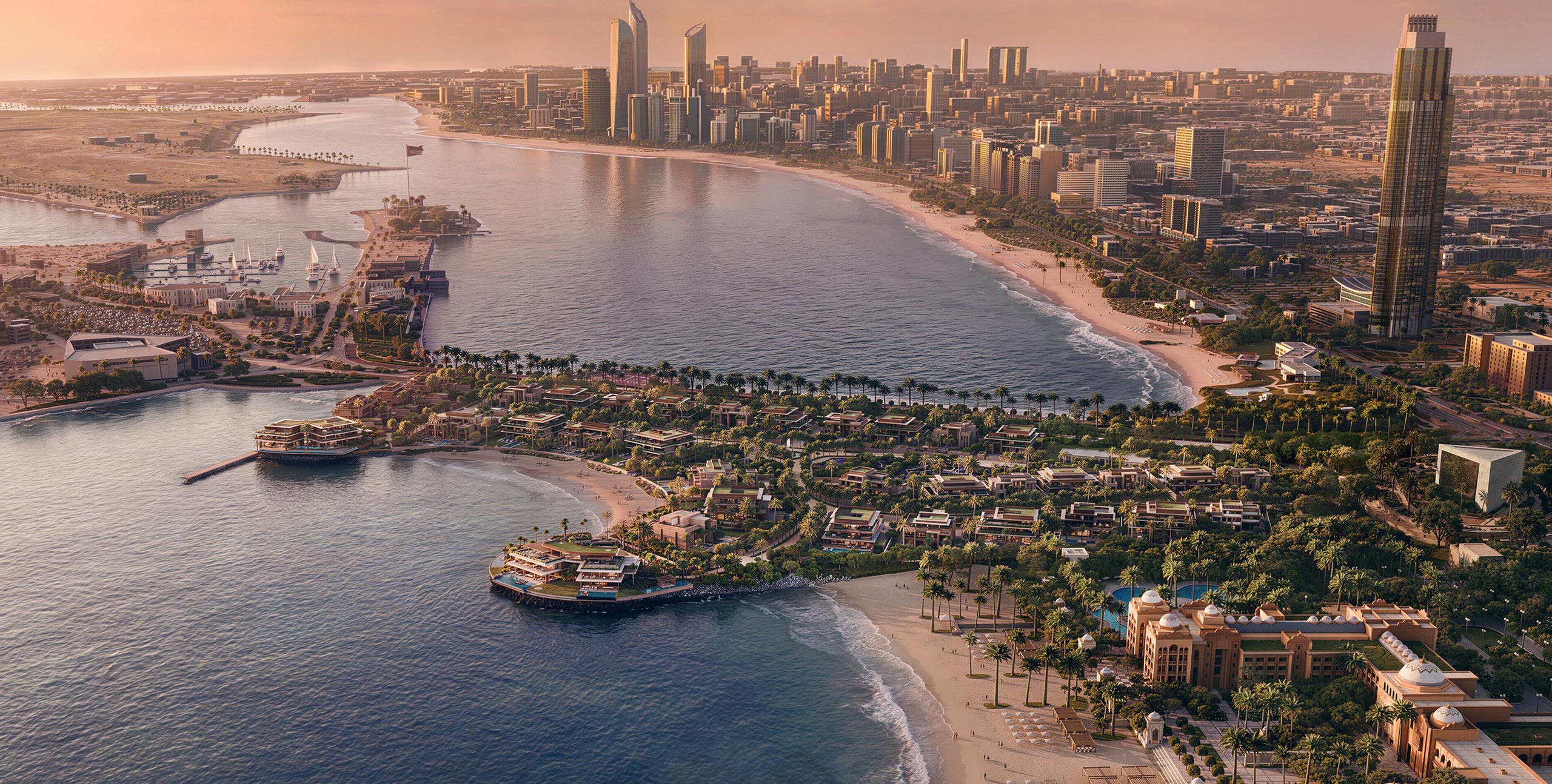
Premium waterfront communities
Family-focused neighbourhoods
Lifestyle-driven real estate investments
For many investors, Abu Dhabi now offers a compelling combination of affordability, stability, and growth potential.
Property Buying Costs: Dubai vs Abu Dhabi
One of the most noticeable differences between the two markets is the cost of purchasing property.
Dubai Property Registration Fees
The Dubai Land Department charges a transfer fee equal to 4% of the property’s purchase price.
Although legislation allows the fee to be split between both parties, buyers typically bear the full cost.
Additional expenses may include:
Real estate agency fees
Mortgage registration charges
Trustee fees
Service charges
Abu Dhabi Property Registration Fees
Abu Dhabi’s registration cost is considerably lower at 2% of the purchase price.
By default, this fee is shared between buyer and seller unless a different arrangement is specified in the agreement.
This lower transaction cost can produce meaningful savings, particularly for higher-value property purchases and long-term investors.
Cost Comparison Example
For a property valued at AED 5 million:
Dubai registration fee: AED 200,000
Abu Dhabi registration fee: AED 100,000
This difference may significantly improve overall investment returns over time.
Foreign Ownership and Off-Plan Buyer Protection
Both emirates have introduced comprehensive regulations that protect international investors and encourage foreign ownership.
Abu Dhabi Property Ownership Rules
Foreign nationals can purchase full freehold property in designated investment zones, allowing them to:
Sell their property
Lease it
Mortgage it
Transfer ownership to heirs
This provides overseas investors with security and flexibility comparable to established global property markets.
Off-Plan Property Protection
Abu Dhabi’s off-plan market benefits from robust safeguards under its evolving regulatory framework.
Buyer protections include:
Escrow account requirements
Construction milestone monitoring
Controlled fund withdrawals
Formal compensation and refund procedures
Interim registration for off-plan sales
These measures enhance transparency and reduce risk during the development process.
Dubai Off-Plan Safeguards
Dubai maintains a similar system through the Dubai Land Department, with strict escrow requirements and developer oversight designed to protect buyer investments.
UAE Golden Visa Opportunities
Property ownership in both emirates may also support eligibility for the UAE Golden Visa, offering qualifying investors long-term residency benefits.
Which Market Has Stronger Investment Momentum in 2026?
Dubai: Market Normalisation Following Rapid Growth
Following several years of exceptional expansion, Dubai’s property market has entered a period of normalisation.
While transaction activity remains high by historical standards, price growth has moderated as the market adjusts from record-breaking performance in 2025. Most softening has been concentrated within the resale sector, while demand for quality developments remains resilient.
For investors, this creates opportunities to acquire assets in a market that continues to benefit from strong fundamentals and global appeal.
Abu Dhabi: Growth Driven by Master-Planned Communities
Abu Dhabi’s momentum has accelerated significantly throughout 2026.
A large portion of market activity continues to come from off-plan sales, driven by increasing demand for:
Waterfront developments
Sustainable communities
Luxury villa projects
Lifestyle-focused master plans
The city’s expansion continues to be carefully managed through phased development, helping maintain a healthy balance between supply and demand.
Lifestyle Comparison: Living in Dubai vs Abu Dhabi
Dubai Lifestyle
Dubai is characterised by:
High-rise urban living
International business hubs
Luxury retail destinations
Extensive dining and nightlife
Fast-paced city life
Buyers seeking a vibrant metropolitan environment often prefer Dubai.
Abu Dhabi Lifestyle
Abu Dhabi offers a more relaxed residential atmosphere with:
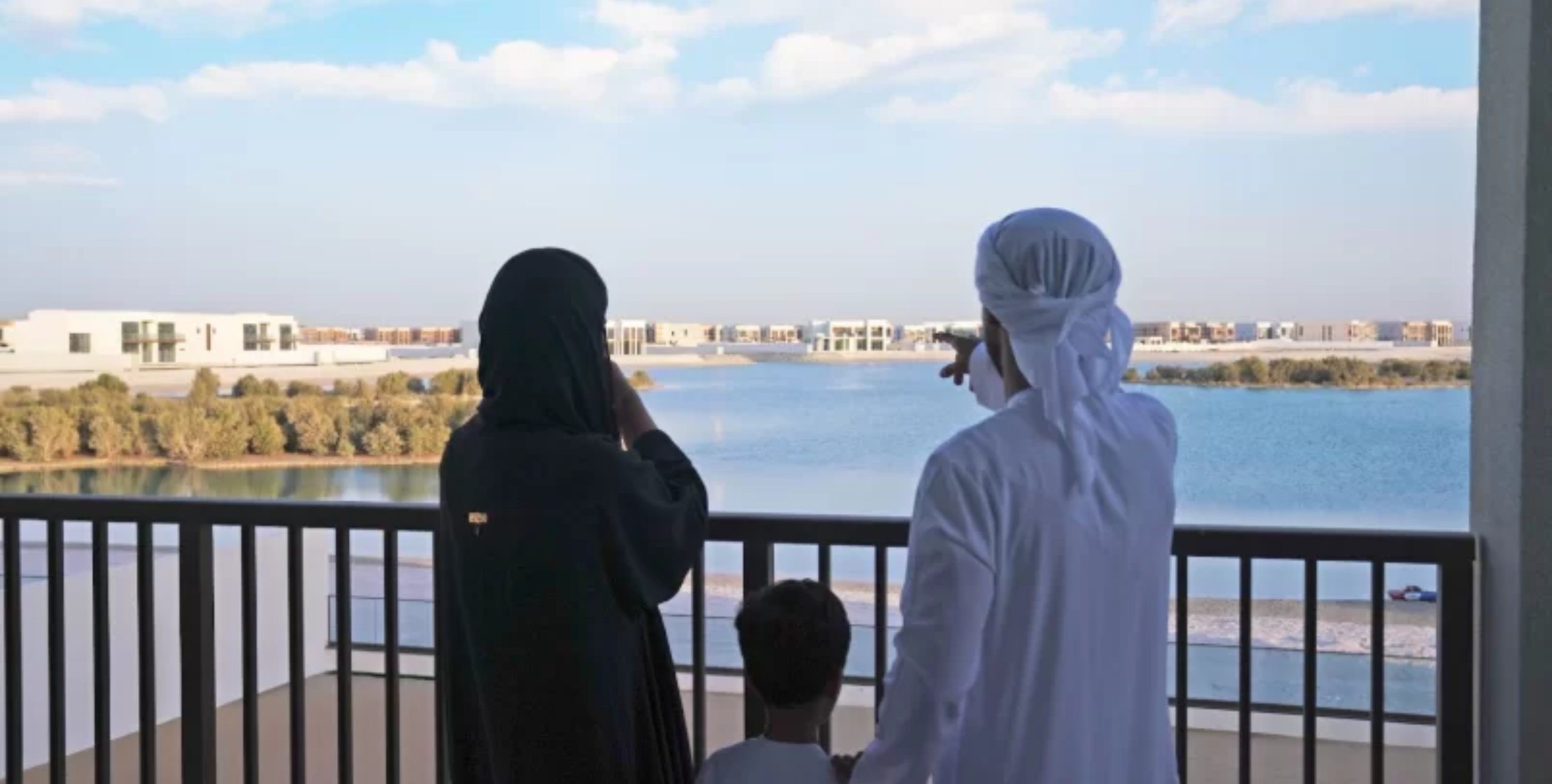
Waterfront living
Beaches and mangrove reserves
Lower-density communities
Family-oriented developments
Greater access to nature and open space
For families and long-term residents, Abu Dhabi’s lifestyle is often a major factor in the purchasing decision.
Why Choosing the Right Developer Matters
While market trends are important, the quality of the developer often has a greater impact on long-term satisfaction and investment performance.
A well-established developer influences:
Build quality
Project delivery
Community design
Property value retention
Resident experience
Jubail Island: An Example of Abu Dhabi’s Long-Term Vision
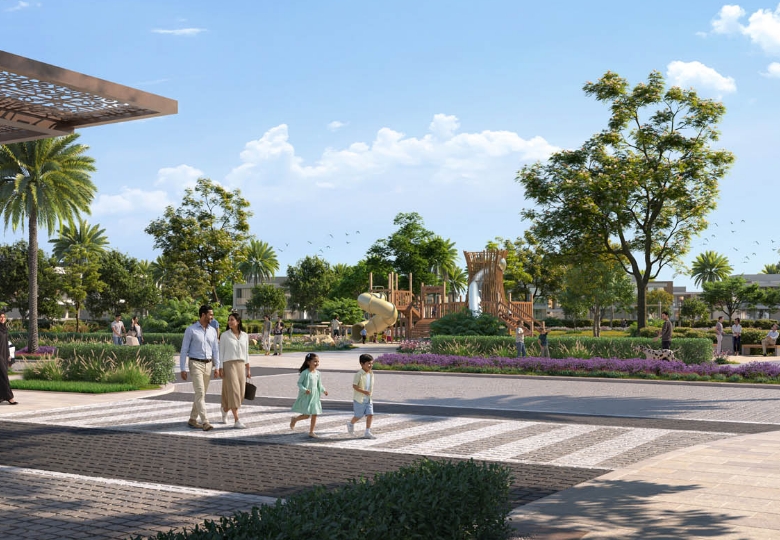
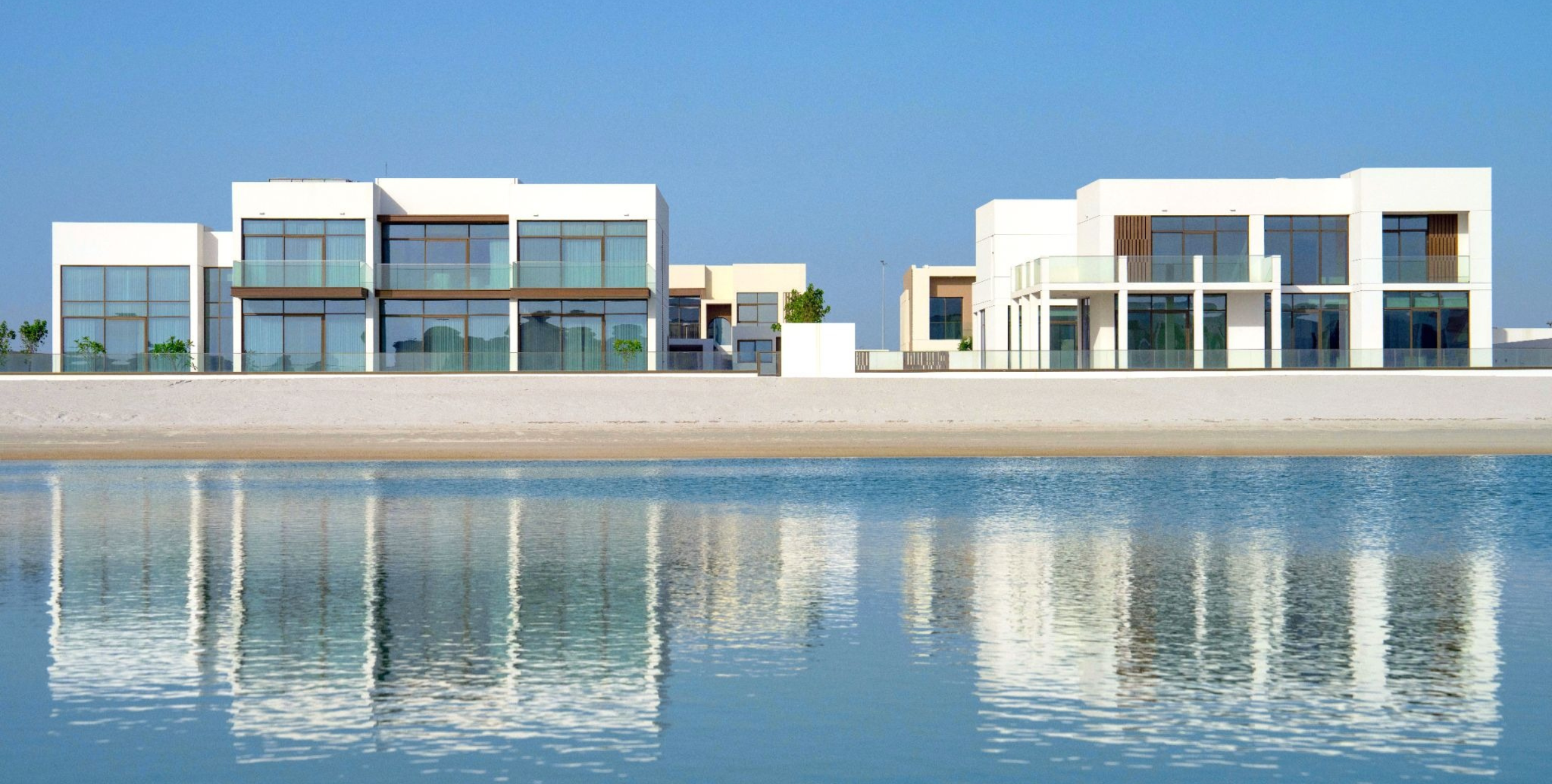
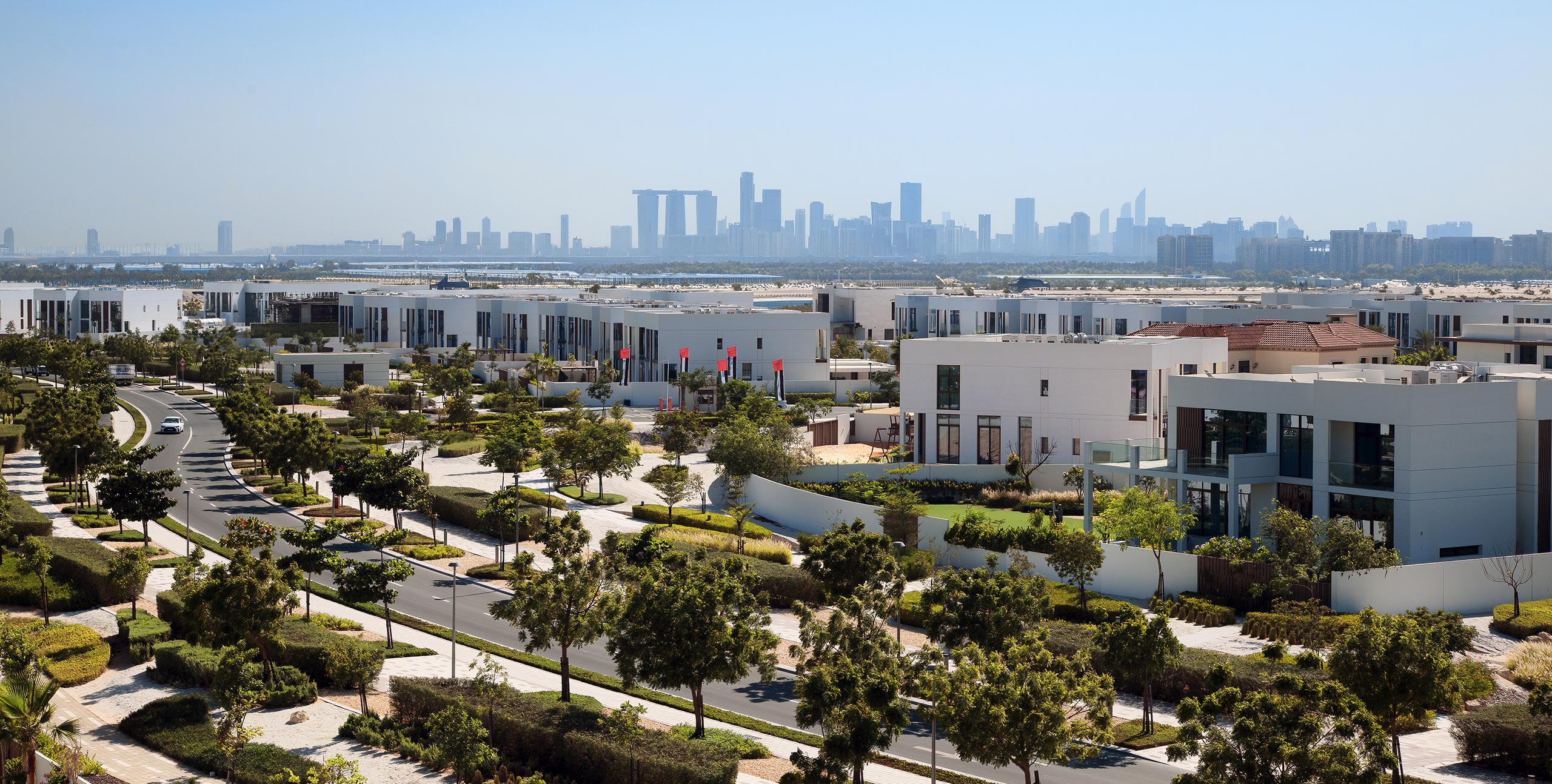
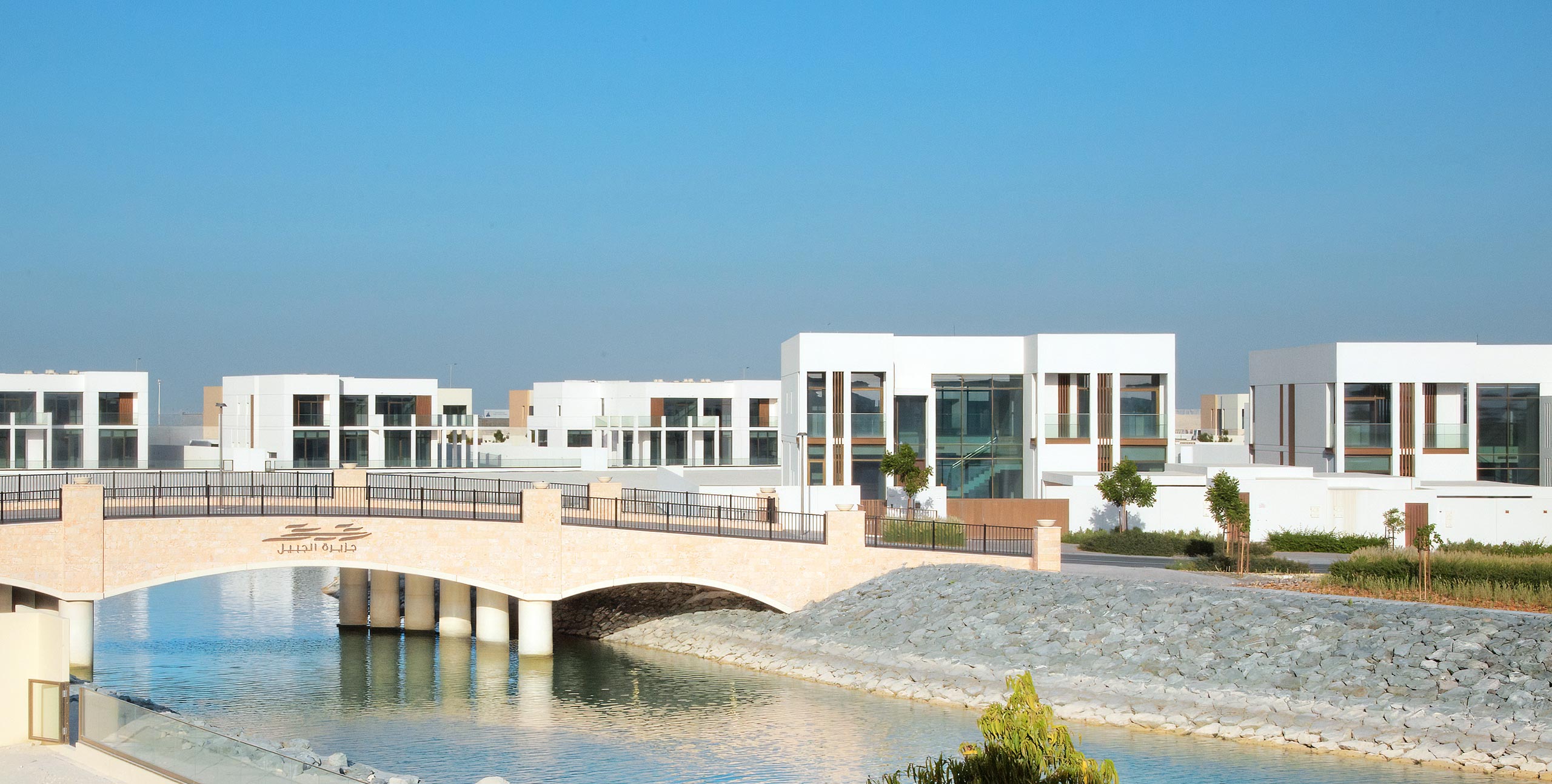
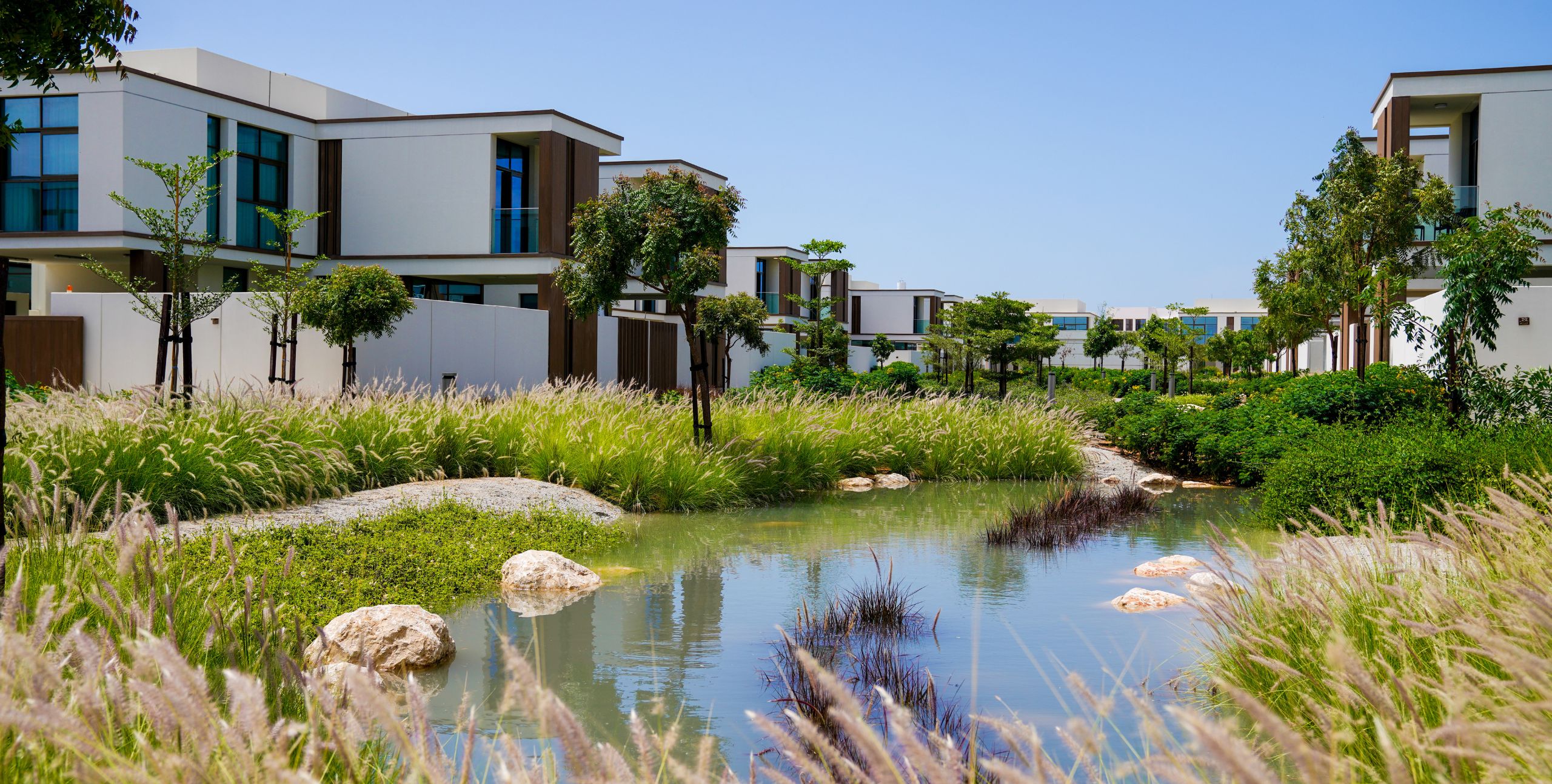
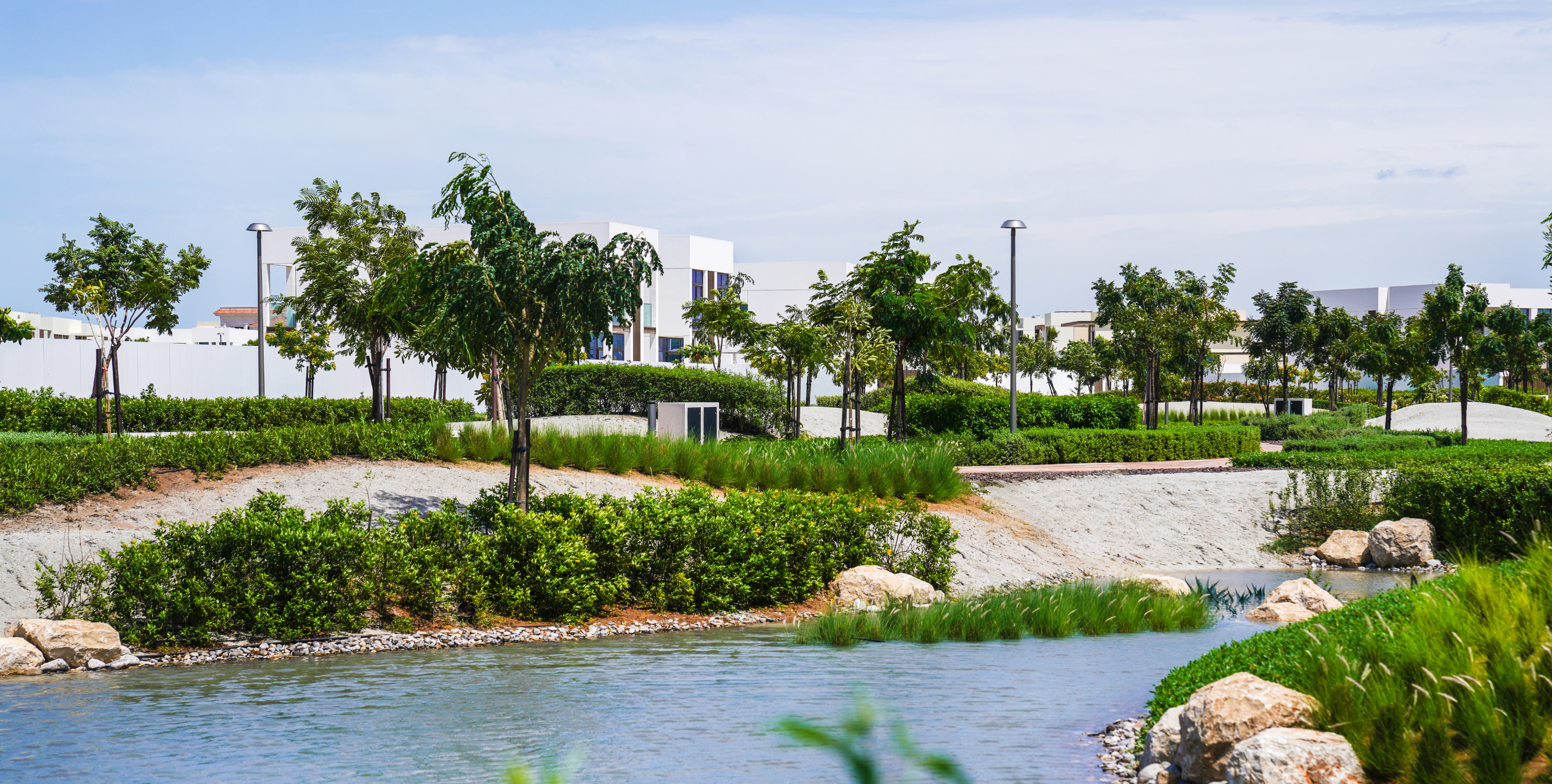
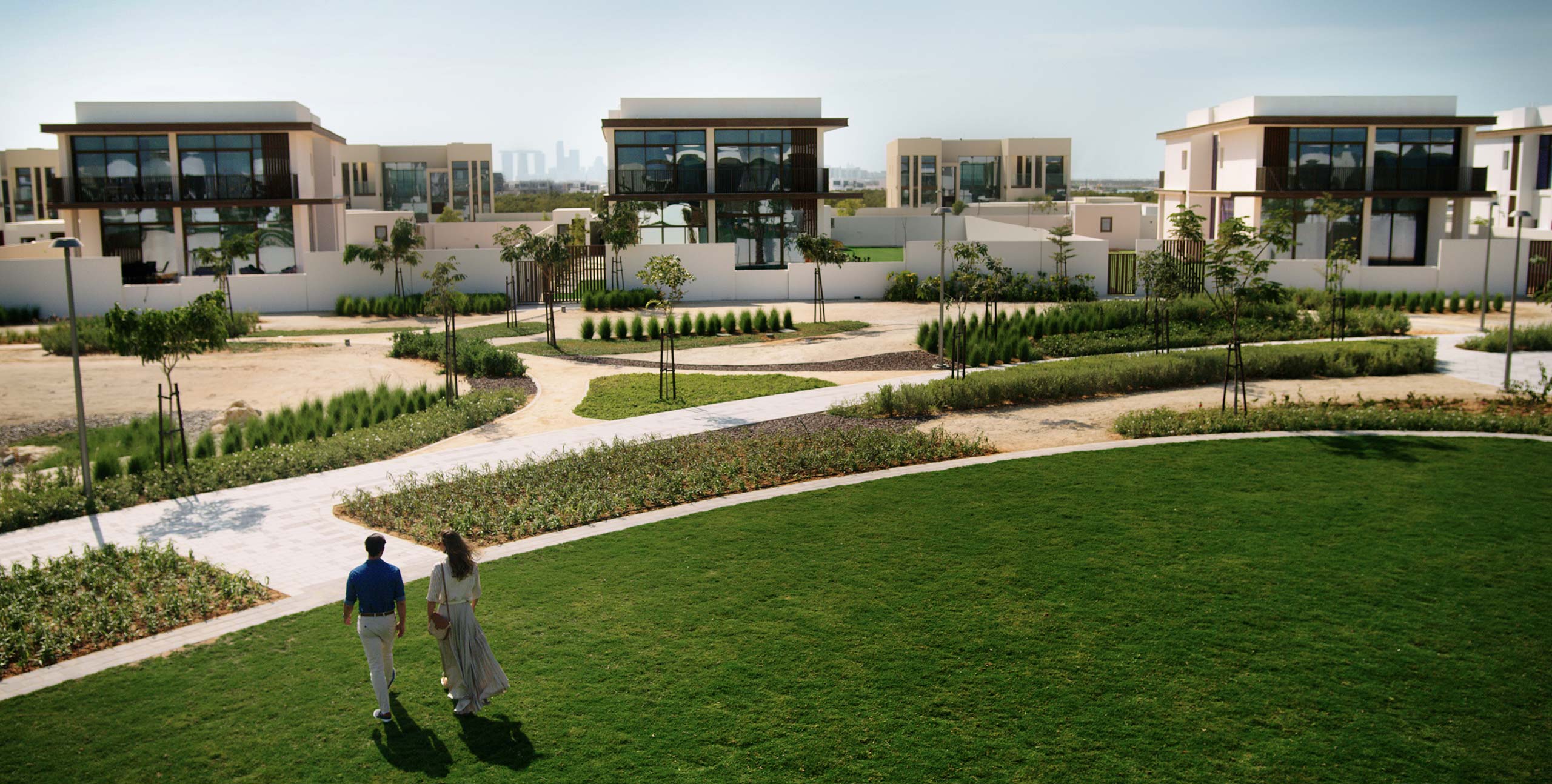
LEAD Development’s flagship community, Jubail Island, illustrates Abu Dhabi’s approach to sustainable, low-density residential living.
Key highlights include:
More than 1,000 completed and handed-over homes
More than 30 kilometres of waterfront
Over 1.2 million square metres of parks and open space
Estidama 1 Pearl sustainability rating
Seven distinct villages across the island
Only around 20% of the island has been developed, while the remaining land is preserved as waterways, mangroves, and natural open space.
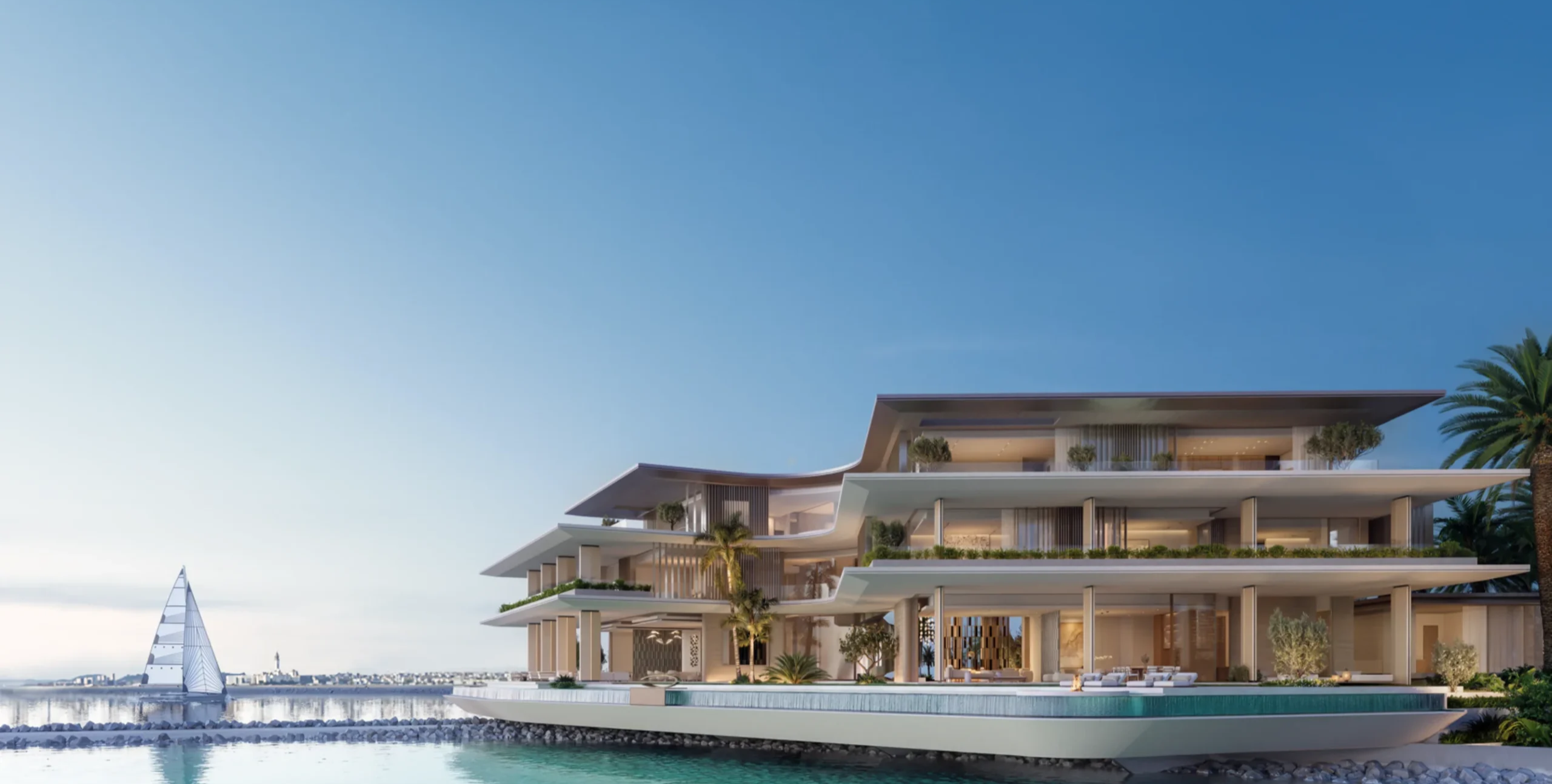
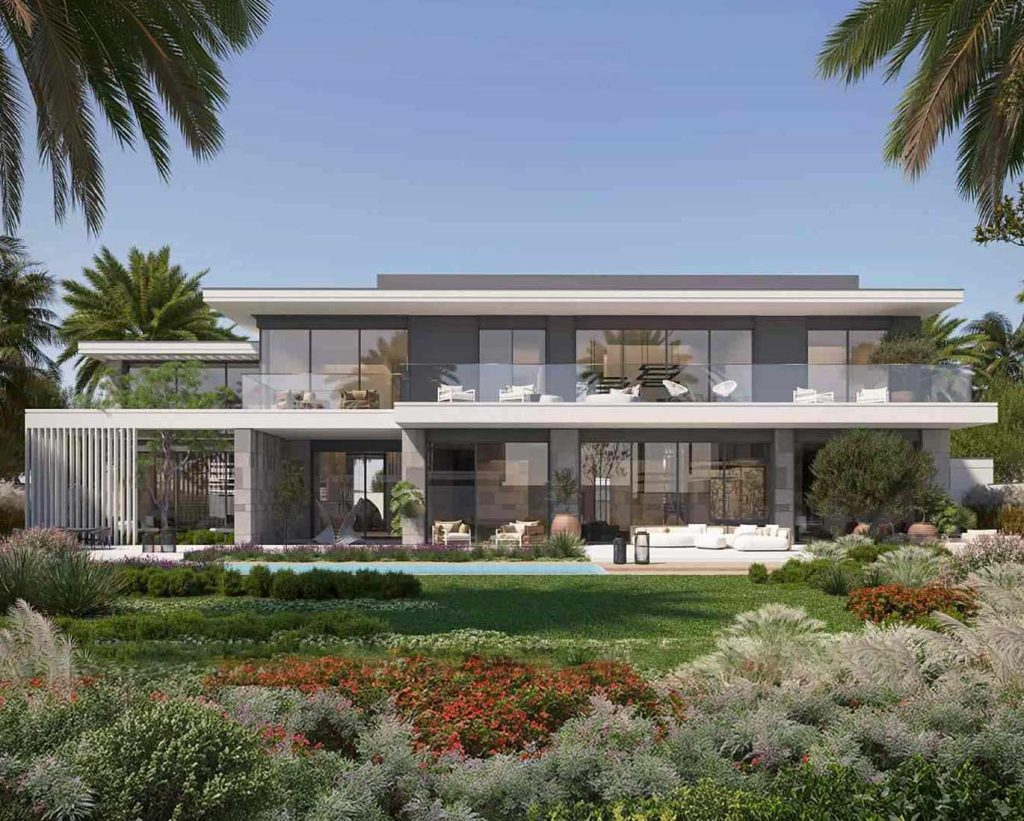
For buyers seeking waterfront mansions in Abu Dhabi, opportunities currently include Bada Al Jubail and RIMAS, the island’s newest village featuring four- to six-bedroom villas surrounded by protected mangrove landscapes.
Dubai or Abu Dhabi: Which Investment Market Is Best for You?
Dubai May Be Better If You:
Want greater resale liquidity
Prefer a larger selection of properties
Plan to sell within a few years
Enjoy high-rise and city-centre living
Abu Dhabi May Be Better If You:
Are investing for the long term
Want lower acquisition costs
Prefer villas and master-planned communities
Value stability, space, and lifestyle quality
Seek exposure to one of the UAE’s fastest-growing real estate markets
Final Thoughts
The Dubai vs Abu Dhabi property investment debate does not have a single winner.
Dubai continues to offer unmatched market depth, liquidity, and choice, making it attractive for investors seeking flexibility and shorter-term opportunities. Abu Dhabi, meanwhile, combines lower transaction costs, strong growth momentum, premium master-planned communities, and a lifestyle increasingly sought after by international buyers.
Ultimately, the right choice depends on your investment timeframe, preferred property type, lifestyle priorities, and confidence in the developer behind the project.
For buyers considering Abu Dhabi, start by ensuring the project is registered with ADREC, review all legal documentation carefully, seek independent advice, and visit completed communities whenever possible. The quality of the community and developer will often have a greater impact on long-term success than the emirate you choose.
We use cookies to ensure that we give you the best experience on our website. If you continue to use this site we will assume that you are happy with it.