Most developments peak on the day they open. The photography is fresh, the landscaping is immaculate, and the sales suite still hums with activity. Five years later, the planting has thinned, retail has turned over twice, and no one can say who is responsible for the public realm.
The difference between projects that fade and those that grow more valuable with time is rarely budget. It is a series of disciplined decisions made early and held to: choosing land worthy of investment, designing a master plan that survives changing fashion, protecting open space, and committing to manage the community long after handover.
Jubail Island is a case study in what those decisions look like when executed with intent.
Land Worth Honouring
The world’s most coveted addresses share one trait no design team can manufacture: the land already mattered before anyone built on it. A protected coastline. A cultural district. A wetland minutes from a capital city.
When the land is genuinely exceptional, the first question is how much of it should remain untouched. This is harder than it sounds, because every square metre left undeveloped is a plot not sold.
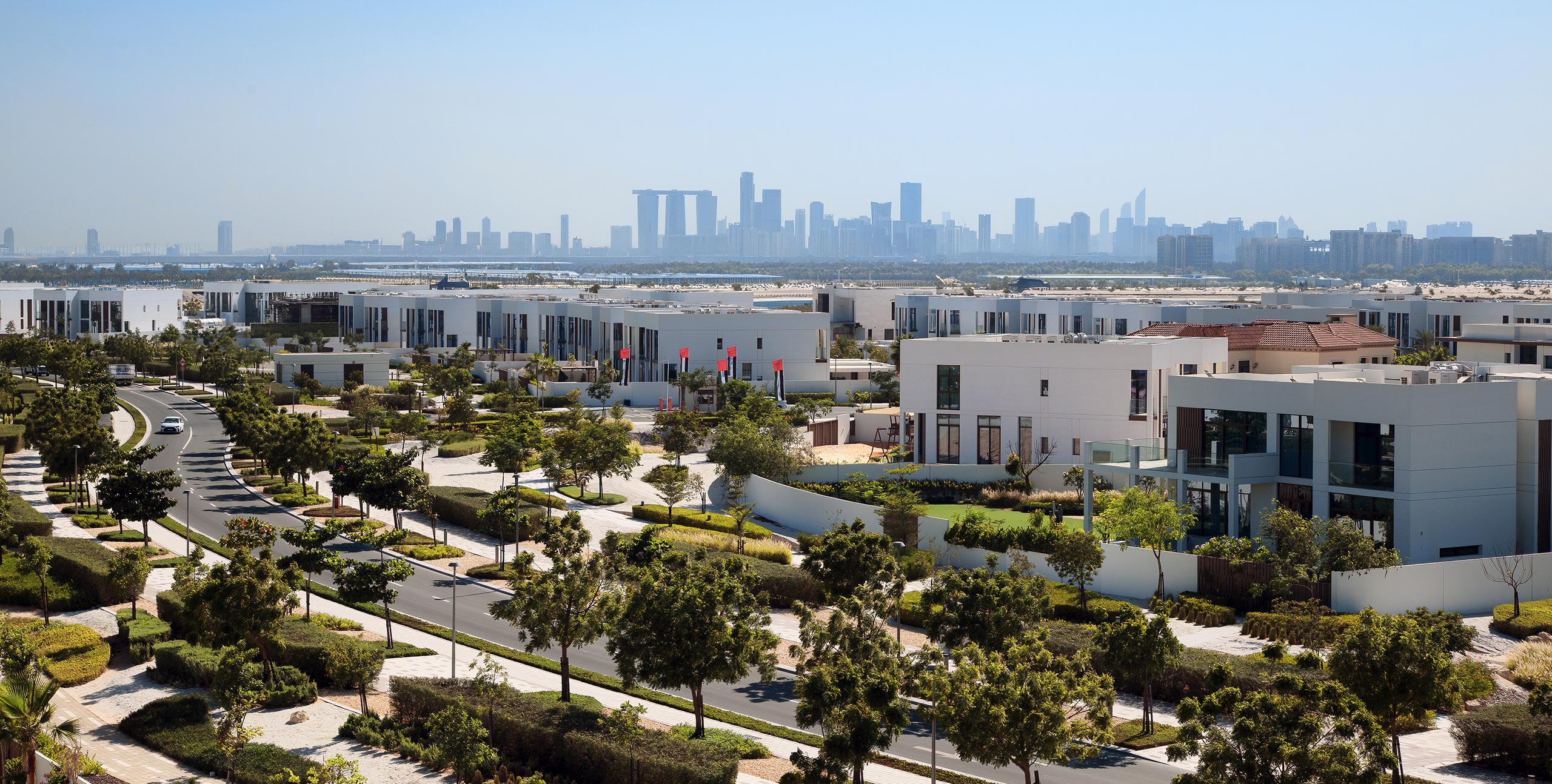
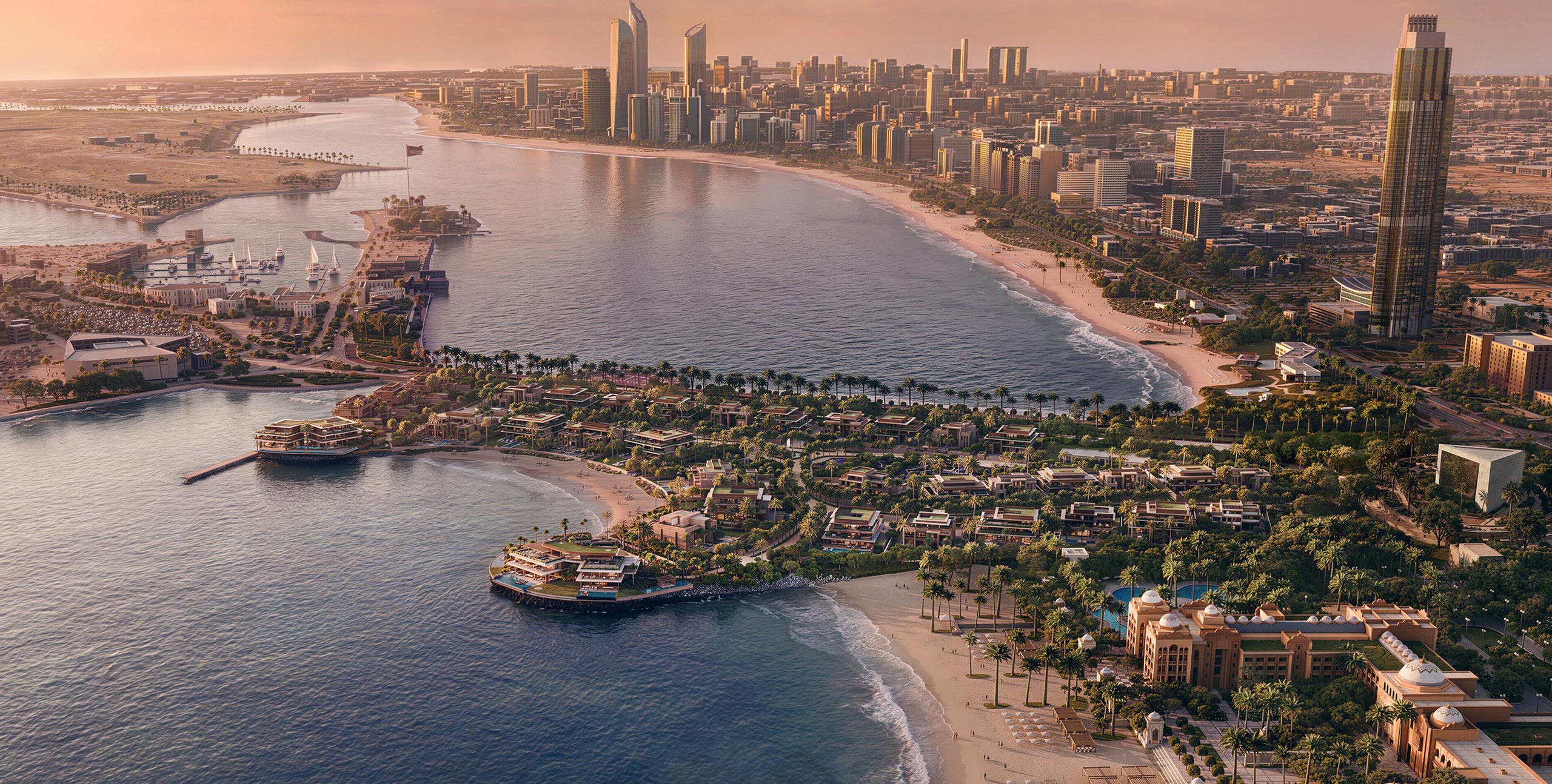
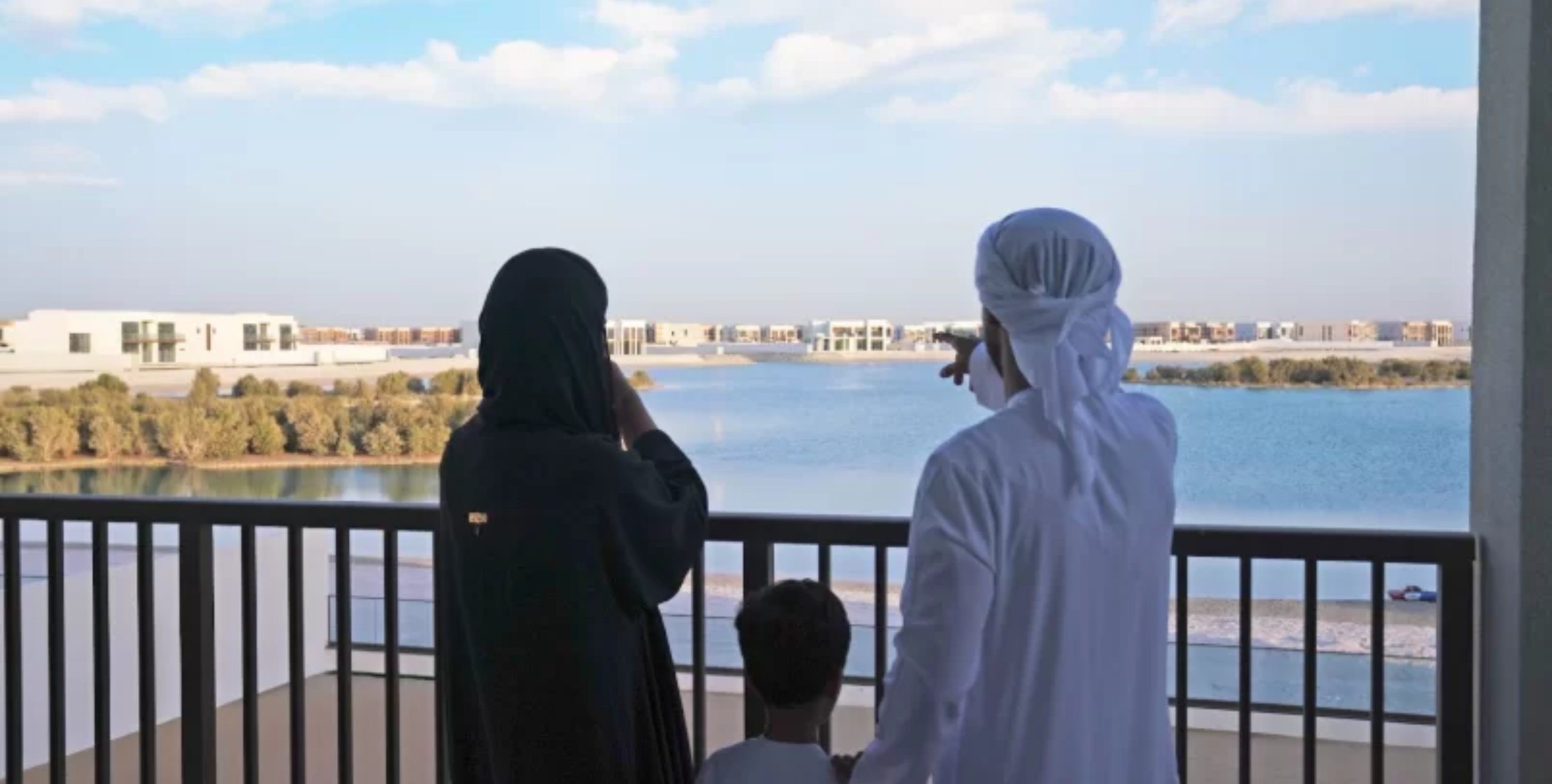
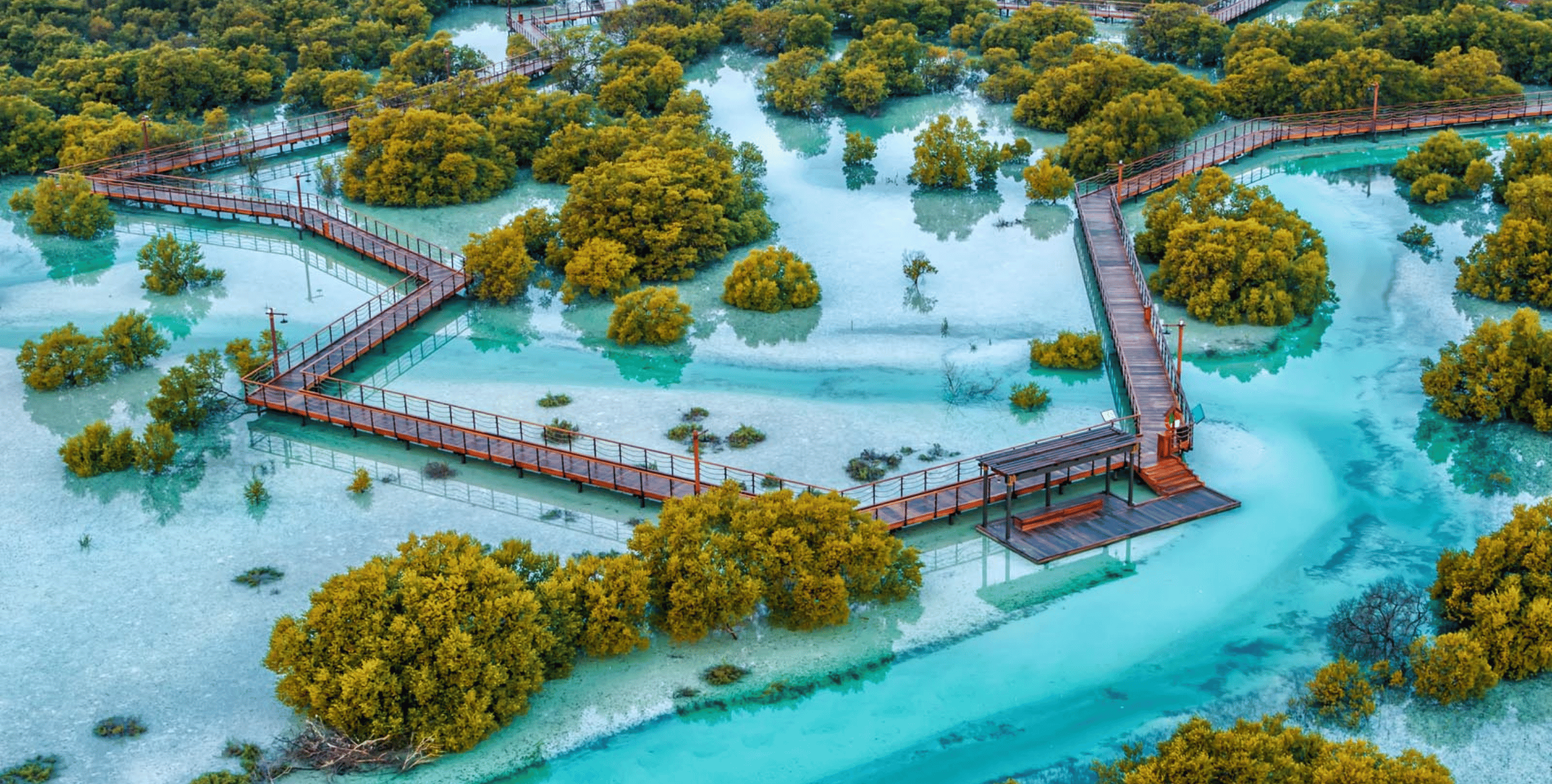
Jubail Island sits between two of Abu Dhabi’s best-known islands, ringed by protected mangroves and more than 30 kilometres of shoreline.
The test is simple: treat land as a surface to be covered, and the result may be impressive, but it rarely becomes a place people feel attached to.
A Master Plan Built for Decades, Not Launch Season
A brochure has a shelf life of months. A master plan must hold its logic for half a century.
The decisive questions are unglamorous:
Can residents walk to daily essentials?
Where does ordinary life happen – the school run, the morning coffee, the evening walk?
How much land stays permanently unbuilt so the community can breathe?
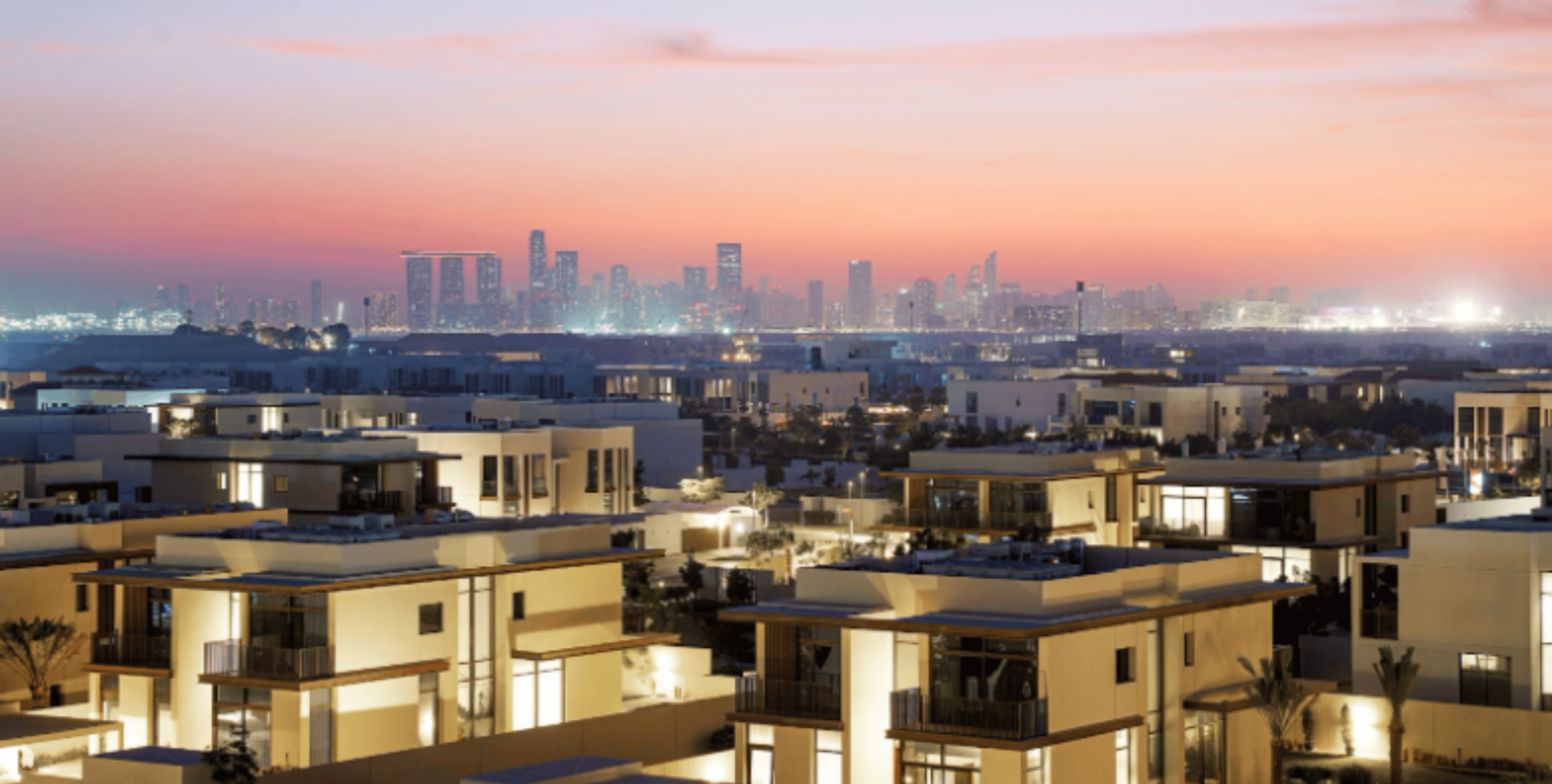
Jubail Island answers with six villages – Marfaa Al Jubail, Nad Al Dhabi, Souk Al Jubail, Seef Al Jubail, Ain Al Maha and Bada Al Jubail. Souk Al Jubail anchors the island as a town centre, linking the villages and placing retail, wellbeing, and community services within a short journey of every home.
The village structure does more work than it appears to. It creates intimacy at the neighbourhood scale while the island as a whole carries the amenities of a town. Single, monolithic developments struggle to offer both privacy and belonging; a collection of villages achieves it almost by default.
Phasing discipline reinforces value. When each stage is completed properly before the next begins, prices tend to hold. All units across Jubail Island’s established villages are sold, with current availability limited to Bada Al Jubail.
Architecture in Service of Place
Prestige projects often chase statements – architecture designed to photograph well rather than live well. It is why so many high-end developments look better in brochures than in daily life.
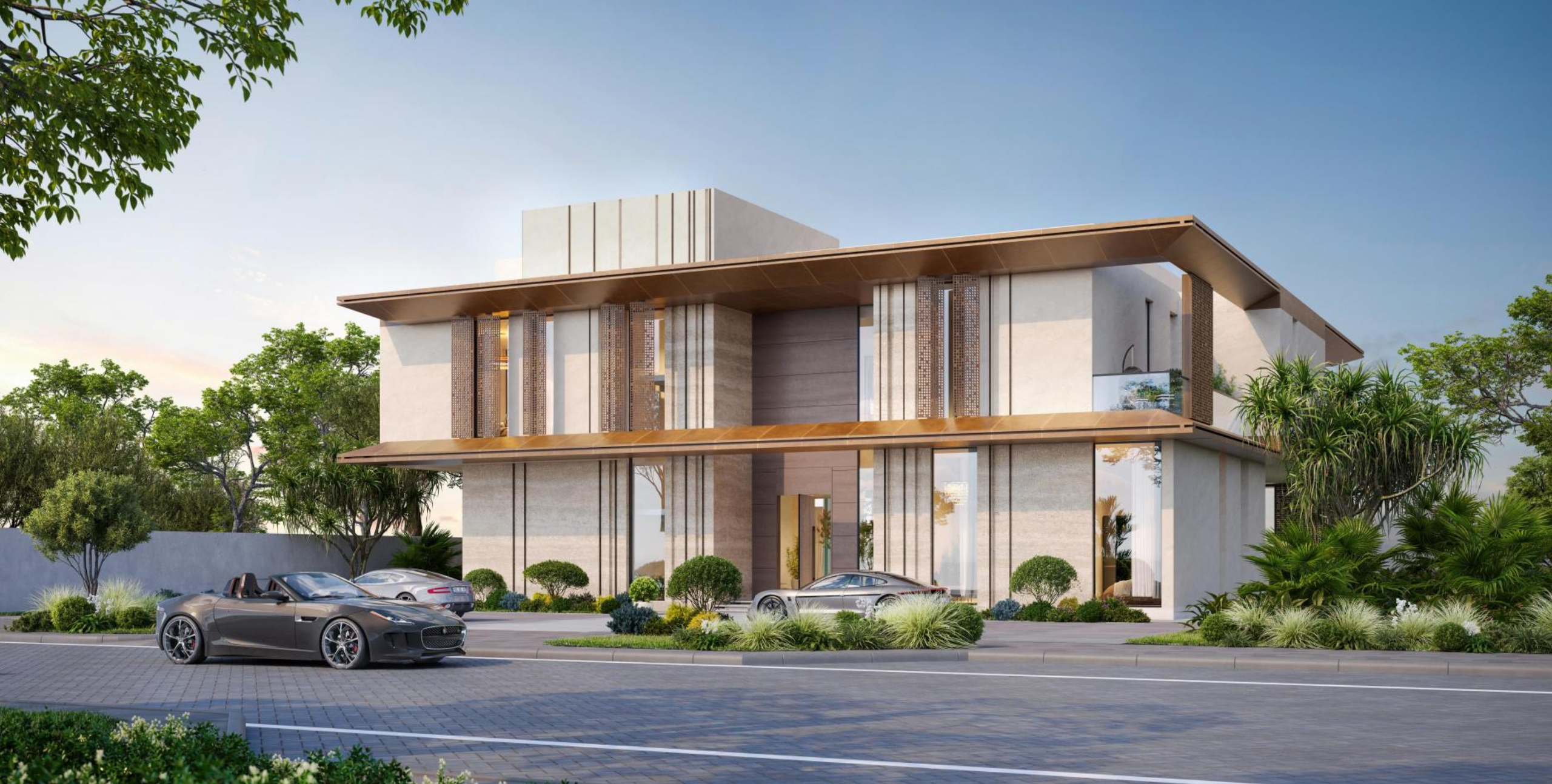
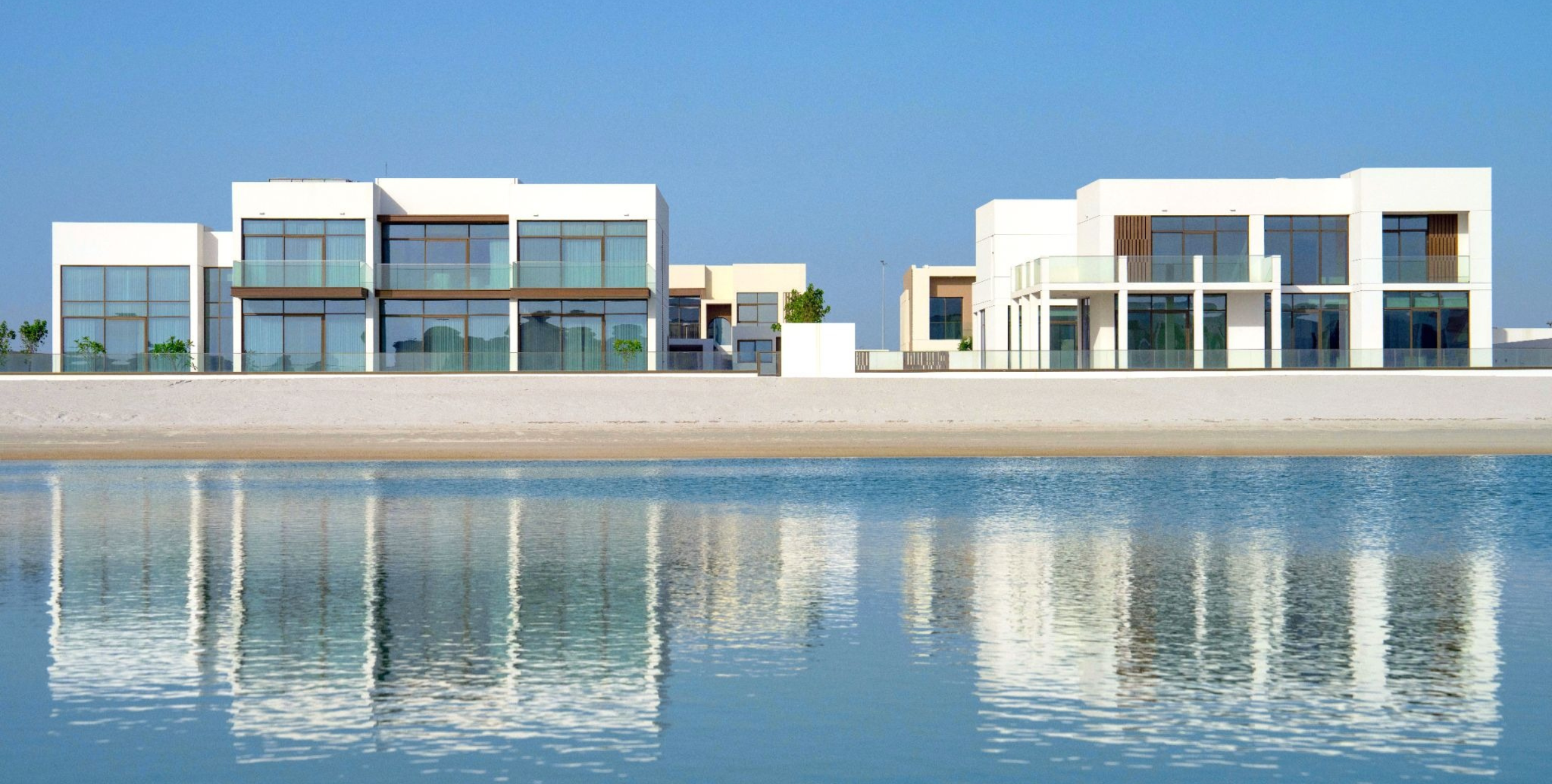
Residential architecture in the Gulf must answer to climate and outlook before it answers to style. When those fundamentals are right, the buildings recede slightly, which is the point: on a site like this, the architecture is not the attraction.
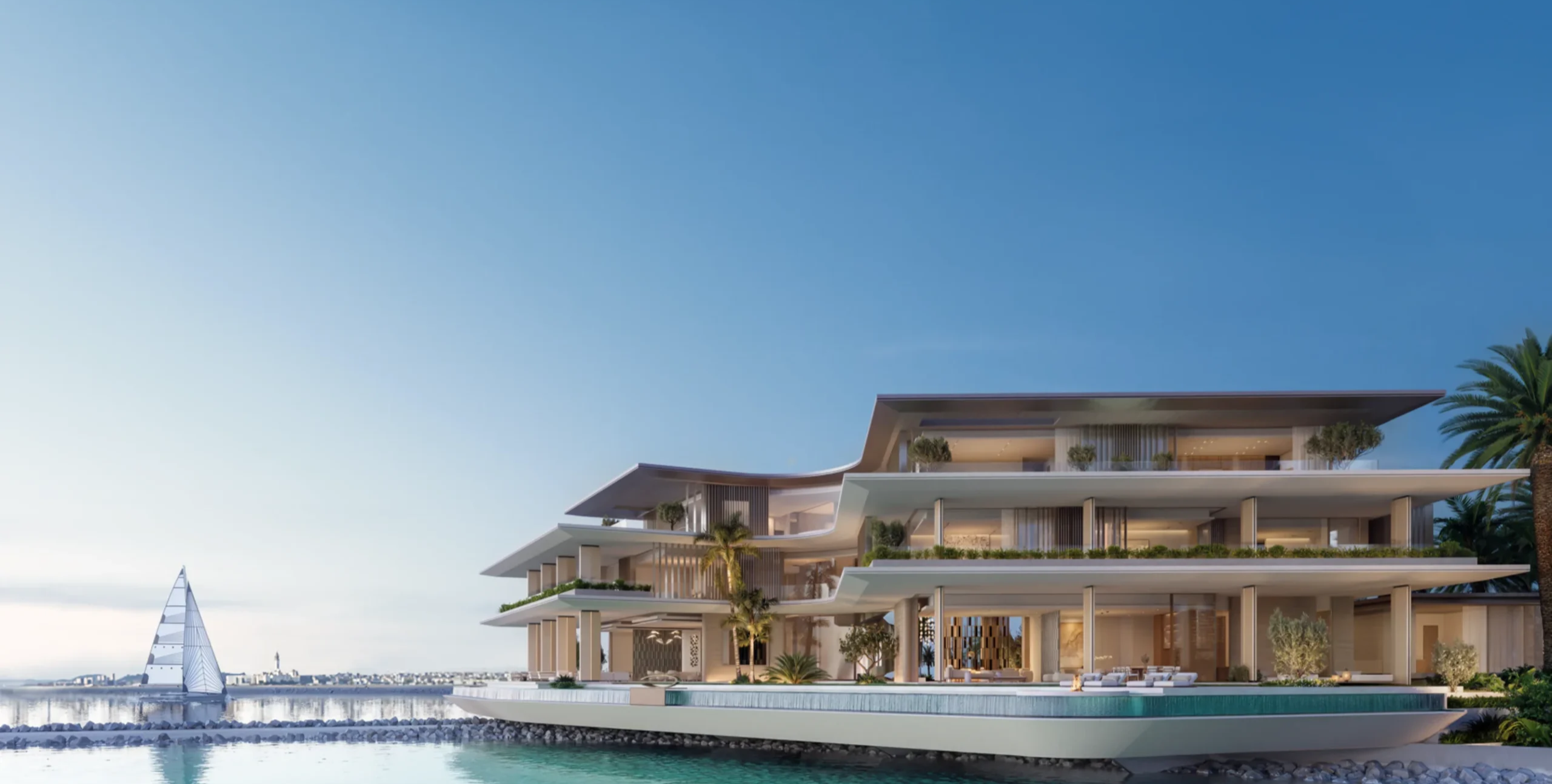
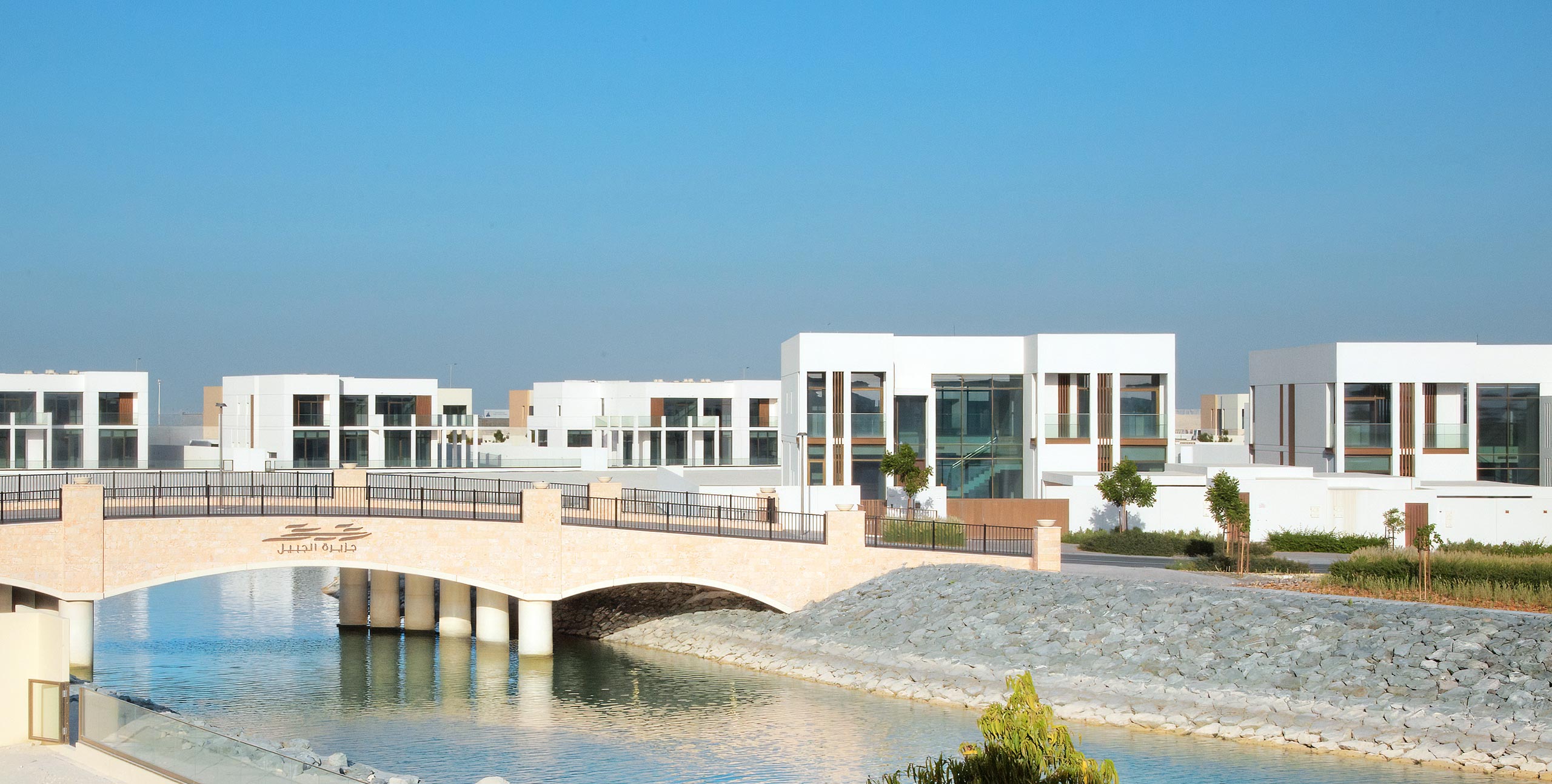
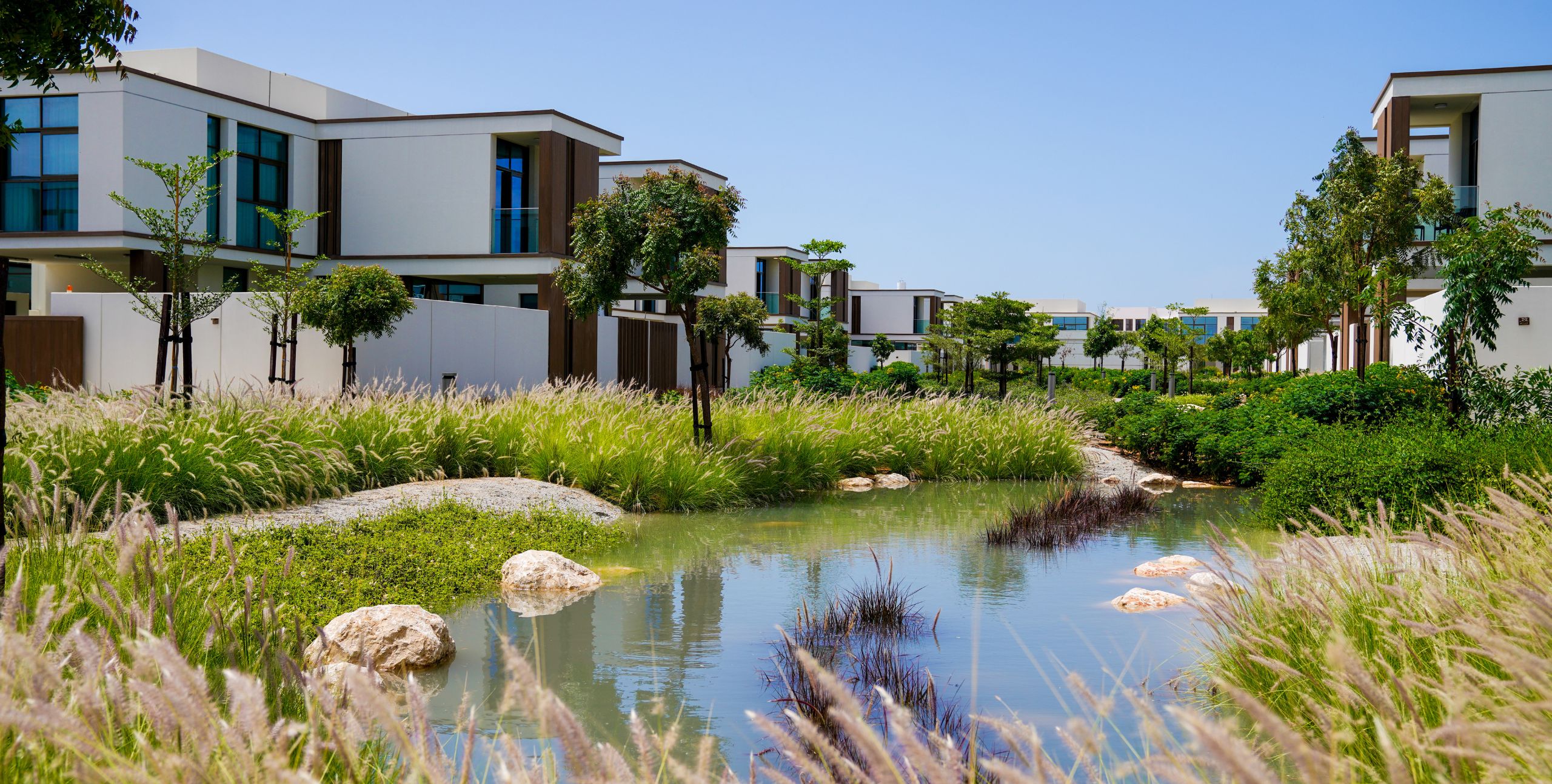
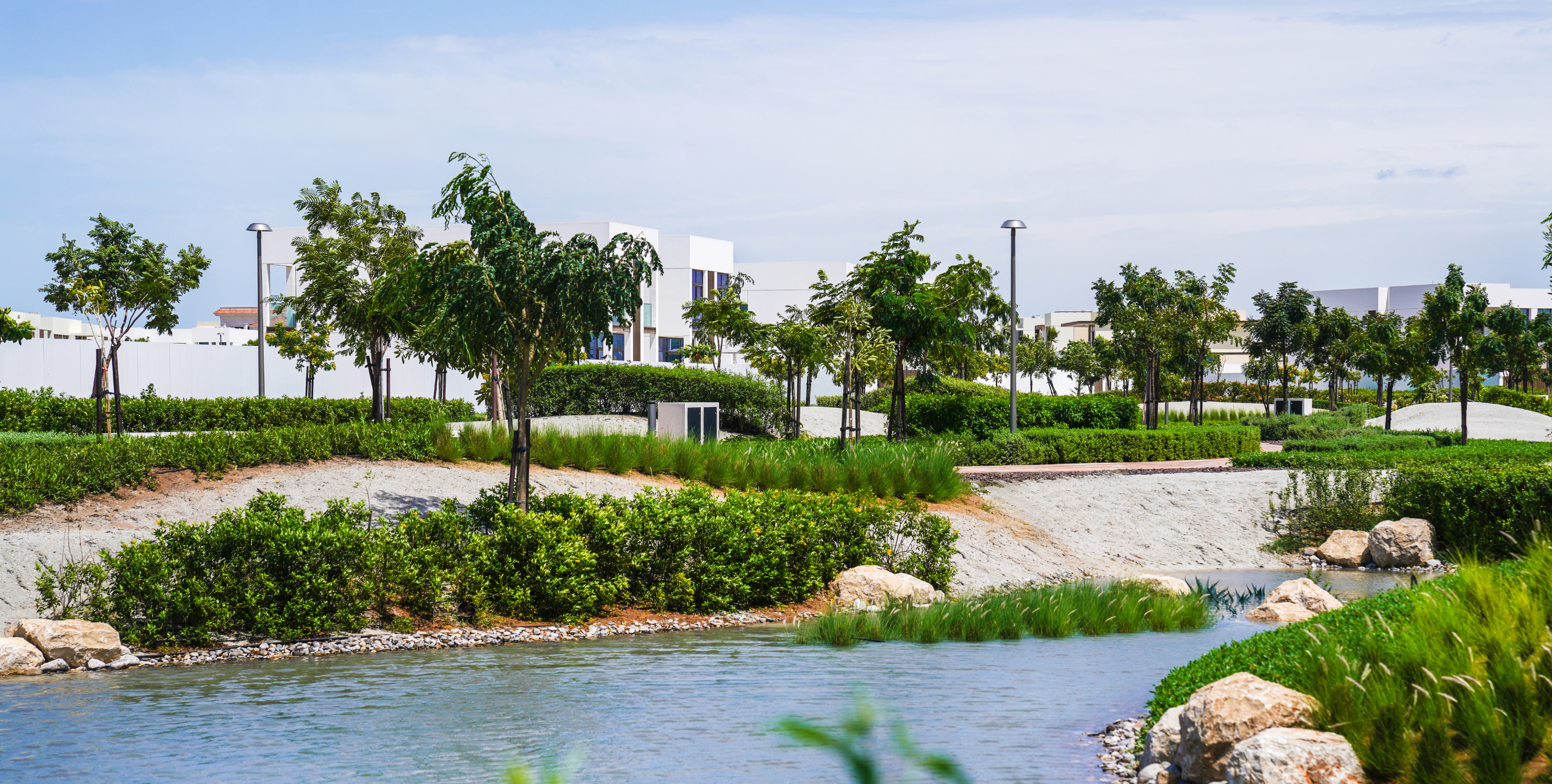
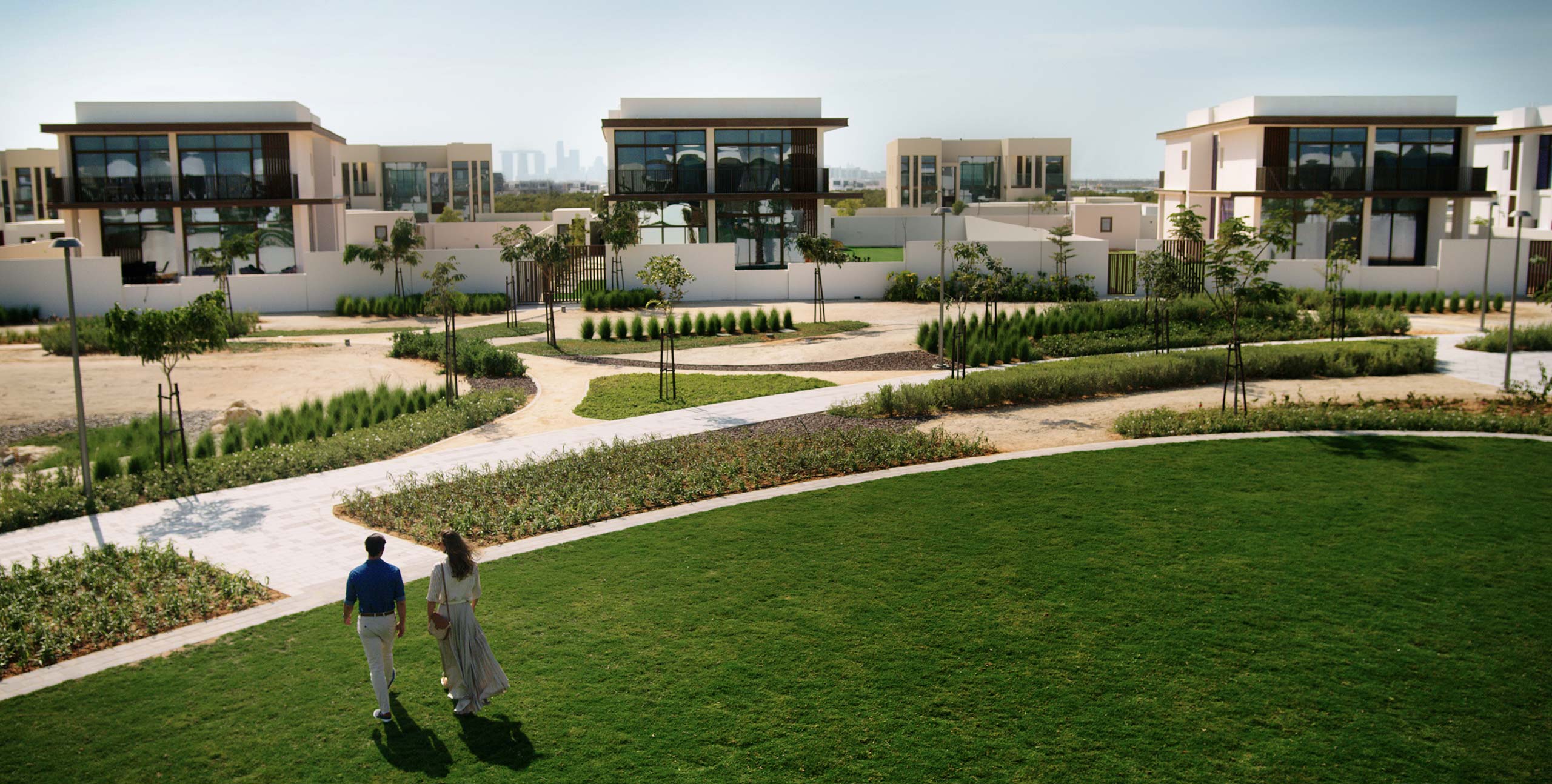
Across Jubail Island, homes orient toward water and channels, gardens flow into communal green corridors, and the architectural language stays deliberately quiet.
The operative word is collaboration. The developer sets the standard, architects read the land, and planning authorities protect the wider vision. When one voice dominates, you can usually tell.
The Hospitality Standard
Some communities feel like resorts; others feel like housing estates. The difference often comes down to whether the developer has built hotels.
LEAD’s portfolio was shaped by hospitality long before it was shaped by islands – the Waldorf Astoria DIFC, Sofitel Dubai Downtown, and the villa community at Hidd Al Saadiyat, among them. Working with hotel operators teaches one lesson above all: guest experience is designed, not hoped for.
Applied to residential development, that changes ordinary decisions. Arrival sequences are choreographed. Landscaping is maintained to resort standards rather than roadside ones. The beach club, marinas, sports and wellness facilities, schools and clinics were all part of the original plan – not added once homes were sold.
Materials, Craft and the Details Nobody Photographs
The honest measures of build quality live in places marketing photography never goes: substructure, utilities, safety records, and whether a developer slows down when speeding up would compromise the finish.
Some of it is quantifiable. Abu Dhabi City Municipality recognised the Jubail Island programme for seven million man-hours on site without a lost-time injury. Infrastructure – power, utilities, and roads – was completed and energised. More than 1,000 homes have been completed and delivered.
Material selection follows the same logic. In a coastal environment, every specification is really a decision about how the home will look after twenty summers, not on handover day. Developers who build to sell choose differently from developers who build to manage.
Nature as a Partner, Not a Backdrop
Sustainability is an easy word in real estate, which is why the only version that matters is the one with numbers attached.
Jubail Island’s commitment is to plant one million mangroves, contributing to the UAE’s national target of 100 million by 2030. The Mangrove Innovation Centre, established with the Environment Agency Abu Dhabi, places research on-site rather than in a brochure.
Residents experience the benefits in everyday ways: clear water, birdlife, and channels you can kayak through at any time of the day.
Stewardship: The Decades After Handover
This is where we began, and it is the discipline least discussed in the industry.
Long-term management covers public realm maintenance, landscaping, retail curation, community governance, and continued investment in culture and amenities. The island’s Public Arts Programme – placing original artworks across the site – is a small example of a larger principle: communities are cultivated, or they are left.
Buyers considering a premium purchase in Abu Dhabi should ask developers three direct questions:
Who manages the community after handover, and for how long?
How are service standards defined and enforced?
What continued investment is planned in amenities, culture, and public spaces?
A developer with confident answers is planning to be judged in 2050, not at launch.
The Measure of an Icon
Strip away the renderings and launch events, and a landmark development comes down to six things: land worth building on, meticulous planning, architecture that defers to its setting, hotel-grade service, environmental commitment backed by evidence, and a developer who stays.