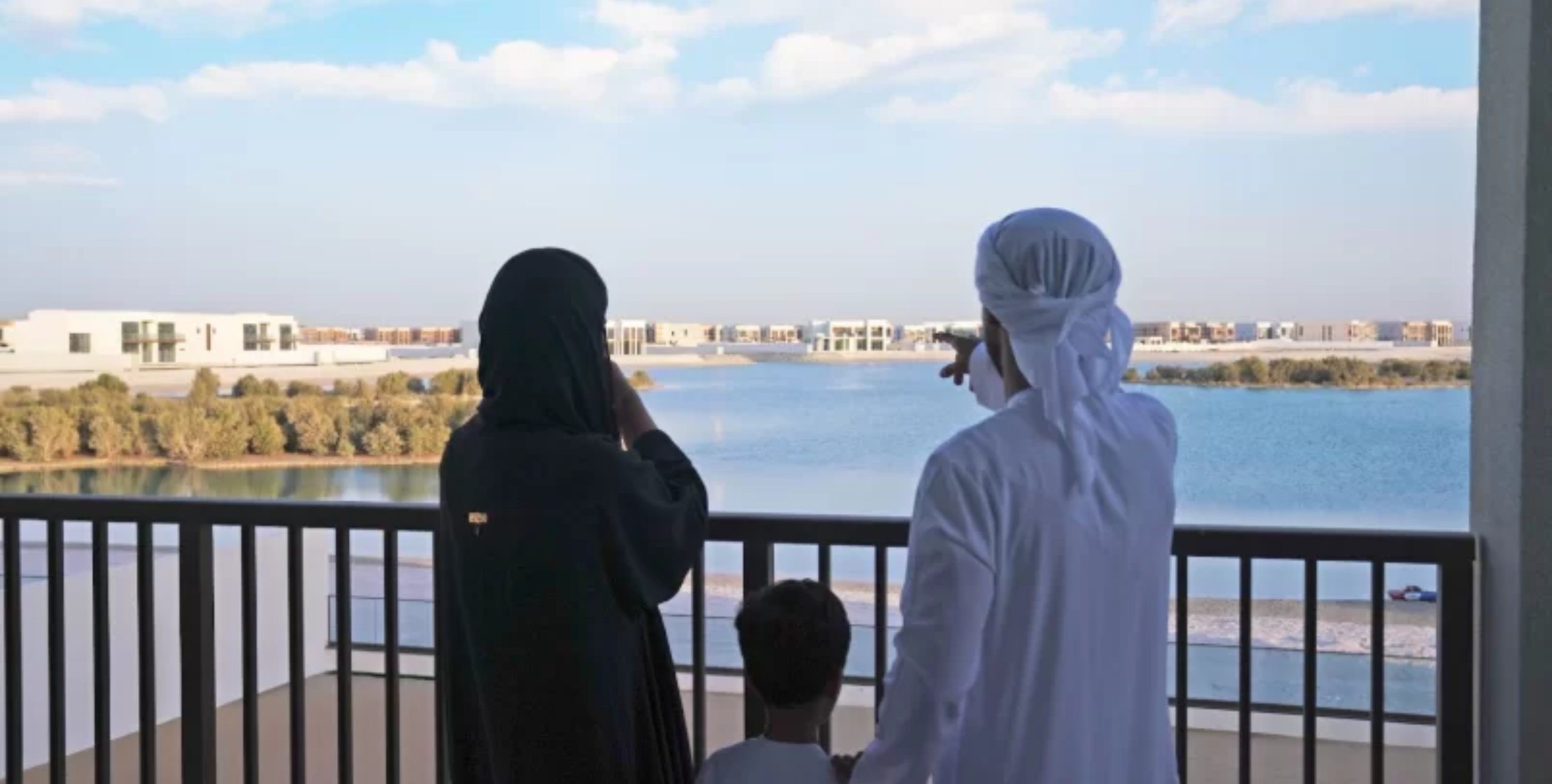
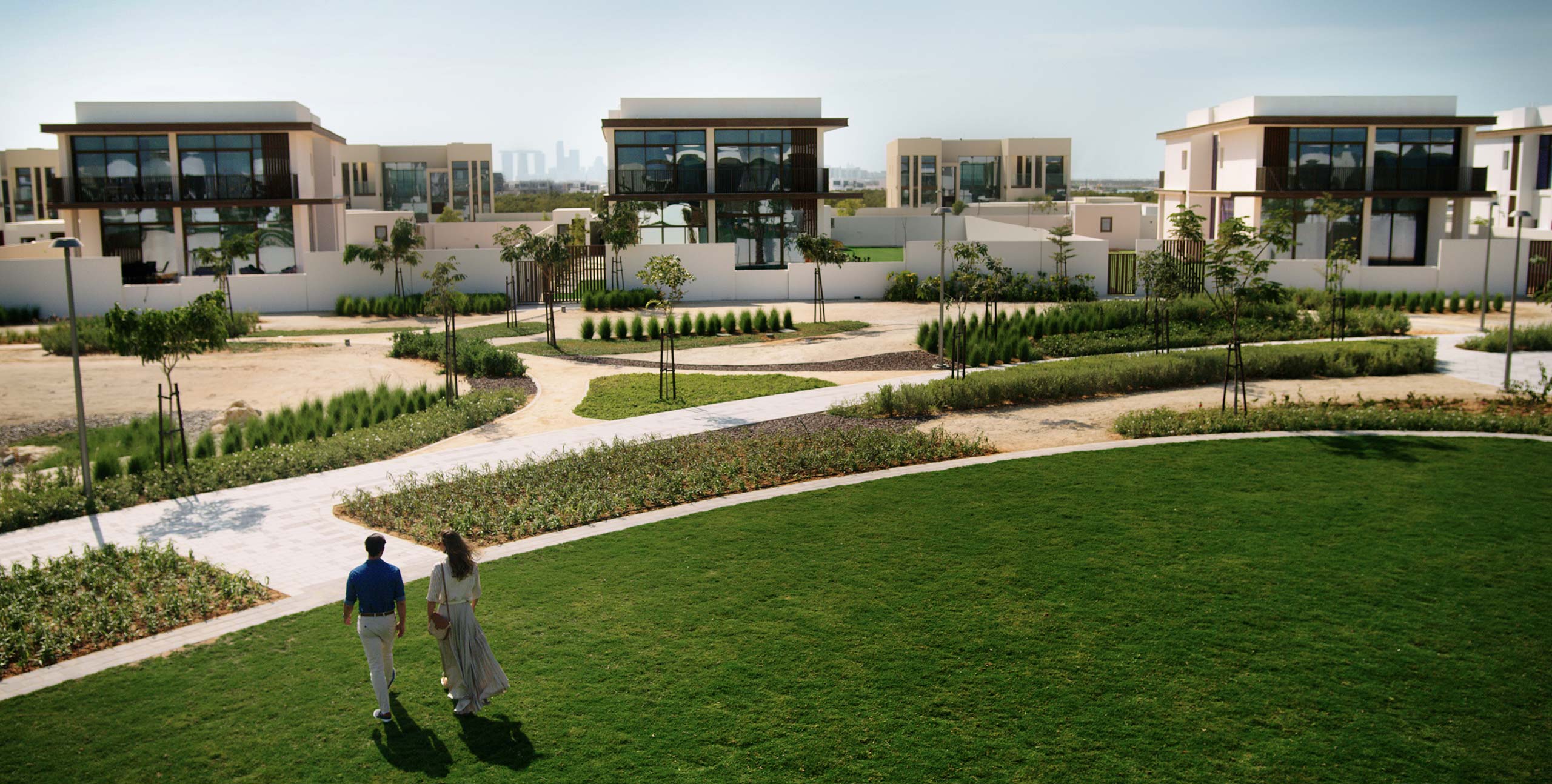
Buying off-plan means buying a home before it is built. You buy directly from the developer and pay in stages as construction progresses. The advantages are clear: access to the best plots, a payment schedule spread across the build, and a home designed to current standards rather than those of a decade ago.
It also means buying a promise. That places the weight on three things: who the developer is, what the contract commits to, and where your money sits while the building goes up. Abu Dhabi has built a rigorous framework around all three. Here is how it works – and what every buyer should check before signing.
What Buying Off-Plan Actually Involves
An off-plan purchase begins with a reservation, followed by a Sale and Purchase Agreement (SPA) that sets out the unit details, specifications, payment schedule, and anticipated completion date. Payments are made in instalments as the project advances, with the balance typically settled at handover.
Crucially, those payments do not go into the developer’s general accounts. Registered projects operate through dedicated escrow accounts supervised by the Abu Dhabi Real Estate Centre (ADREC). Funds are held against the specific project and released only when verified construction milestones are met.
The Advantages of Buying Off-Plan in Abu Dhabi
First choice of plot. In any development, a handful of positions are better than the rest – corner sites, wide waterfrontages, private gardens. They sell first. Buying off-plan means choosing from the entire master plan rather than from what remains.
Payment spread across the build. Instead of committing capital upfront, you pay in stages as construction progresses. This keeps liquidity working elsewhere in the meantime.
Current specifications and modern planning
New projects reflect today’s expectations: stronger energy performance, smart home integration, contemporary layouts, and master plans designed around walkability and amenities. Older districts cannot retrofit these fundamentals.
Time to plan your life
A handover date one or two years out gives families time to organise finances, schooling, and relocation. For overseas buyers, that runway is often more valuable than it sounds.
Room for value to develop. Buying at launch means buying before the community exists. As infrastructure completes and amenities open, well‑chosen projects in strong locations have historically matured in appeal.
The Considerations Every Buyer Should Weigh
Off-plan purchases carry risks that completed homes do not.
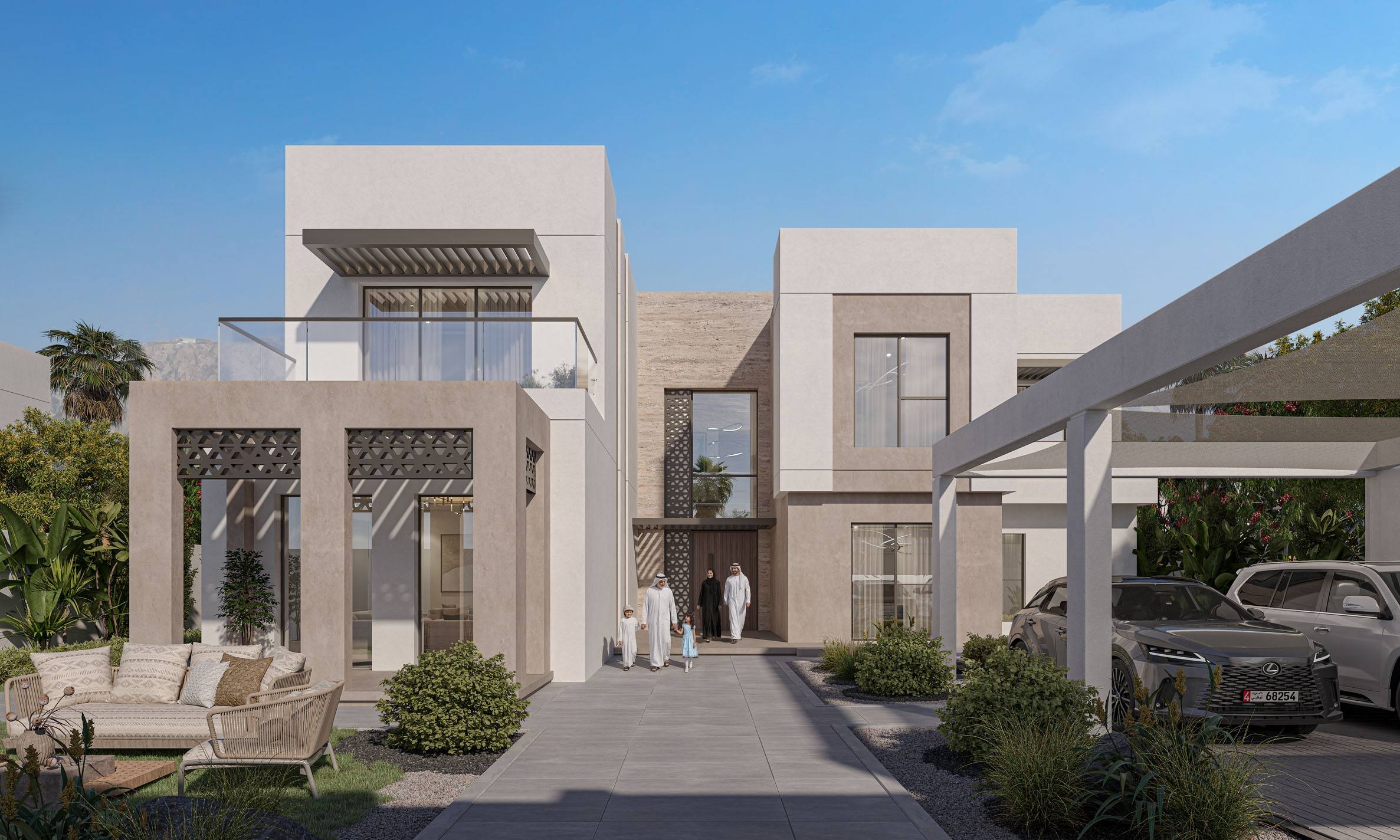
You cannot walk through it. Show homes, renderings and material boards help, but the actual house only exists at handover. Everything rests on the developer’s delivery record: have they built what they promised, at the quality promised?
Timelines can shift. Construction is exposed to factors no contract fully controls. Abu Dhabi’s framework provides remedies where delivery obligations are missed, but a delayed handover still disrupts your plans. Build margin into your own timeline.
Markets move. Values can rise or fall between signing and completion. For long-term residents this matters less; for short-horizon investors it matters more.
Instalments fall due regardless. Payment milestones arrive on schedule whatever is happening in your life. Exit terms deserve as much attention as entry terms.
Developers are not interchangeable. Regulation protects buyers from worst-case outcomes. It cannot turn an average developer into a good one. Due diligence on the company is the single most important check available.
Legal Protections for Off-Plan Property Buyers in Abu Dhabi
Abu Dhabi’s off-plan market is governed by Law No. 3 of 2015, strengthened by subsequent amendments. Three protections matter most:
Your money is ring fenced. Payments go into project-specific escrow accounts and cannot be used as developer working capital. Funds are released only against verified progress.
Your interest is registered. Off-plan sales are recorded in an interim real estate register,giving you a documented interest in the property during construction.
Remedies are defined. Procedures exist covering non delivery, cancellation, refunds and the resale of cancelled units.
Regulations change, so confirm the current position with the Abu Dhabi Real Estate Centre and take independent legal advice before signing anything.
Freehold Ownership and Investment Zones in Abu Dhabi
Since the 2019 reform of the emirate’s property law, foreign nationals have been able to hold full freehold title in Abu Dhabi’s designated investment zones, owning home and land outright with the right to sell, lease, mortgage or leave the property to heirs. Jubail Island sits within one of these zones.
Ownership and transactions are registered through the government’s official channels, and the TAMM portal sets out the current rules for expatriate ownership, including how off-plan sales are registered. Buyers planning long-term residency may also explore the UAE Golden Visa, for which qualifying property ownership is one recognised route.
Freehold title, official registration, and regulated escrow together form the foundation of a secure long-term purchase.
The Developer Question: The Check That Matters Most
Assessing an off-plan purchase means assessing a company: what it has delivered, how it operates, how it works with authorities, and what it intends to do after handover.
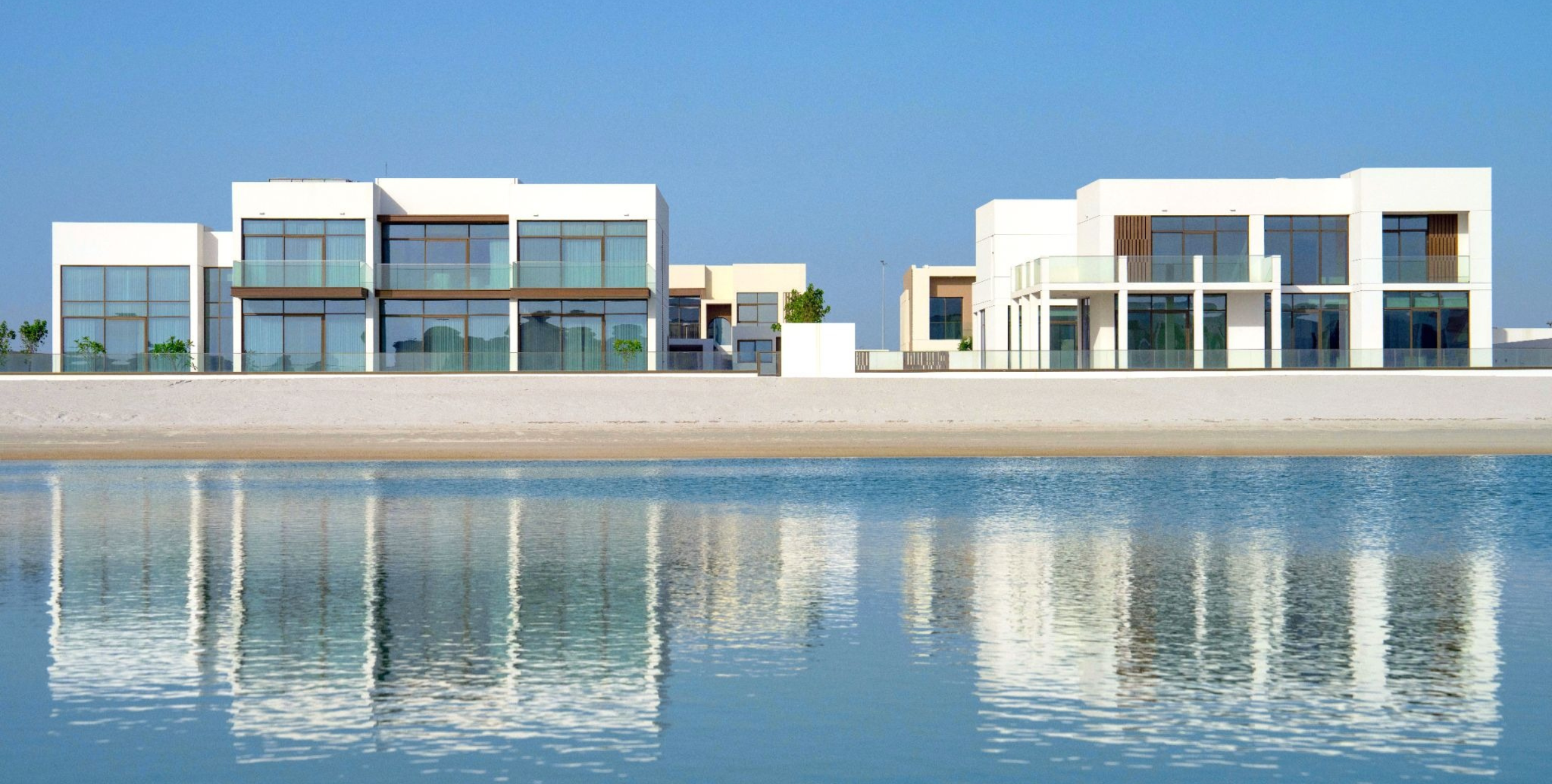
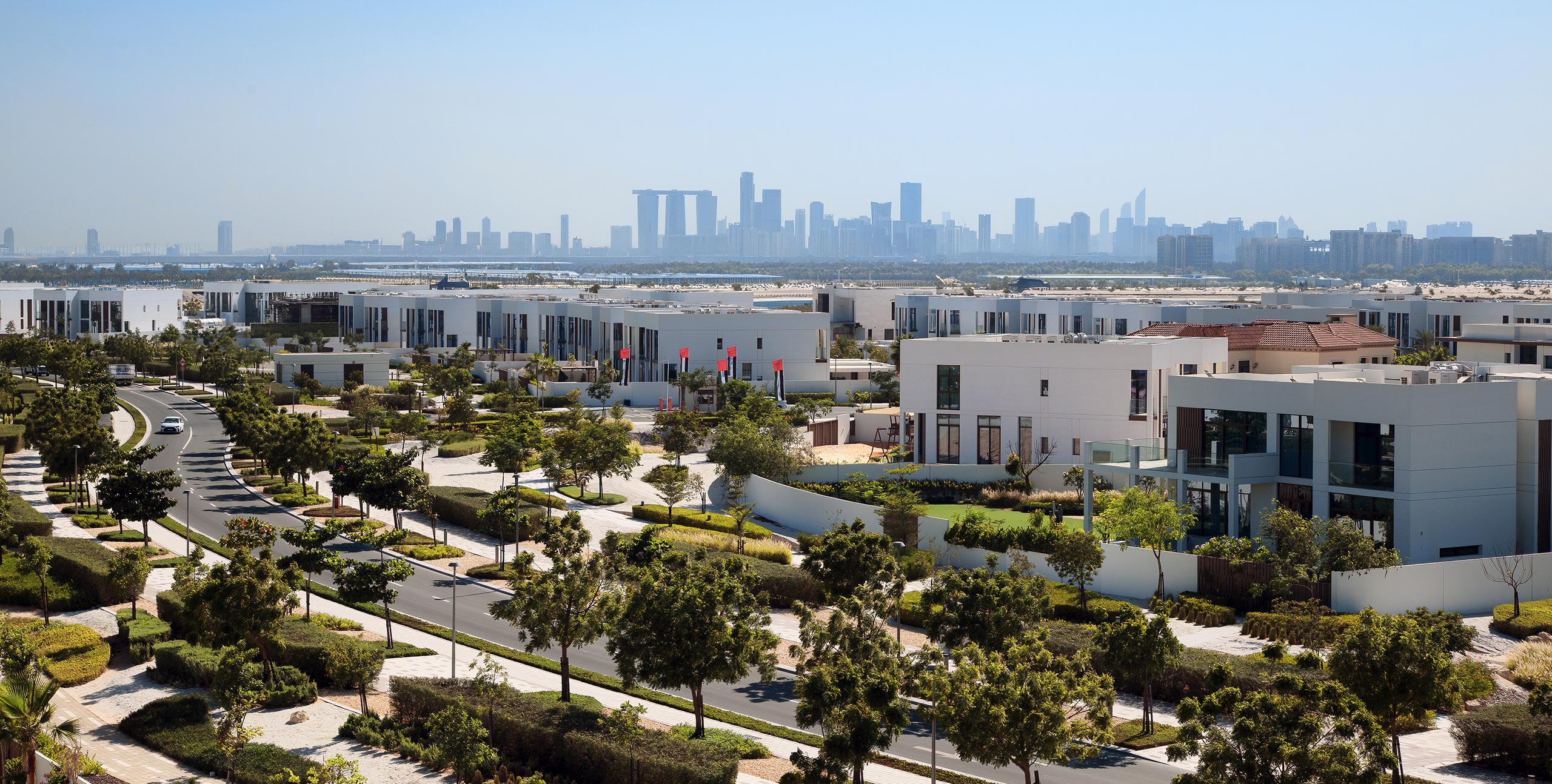
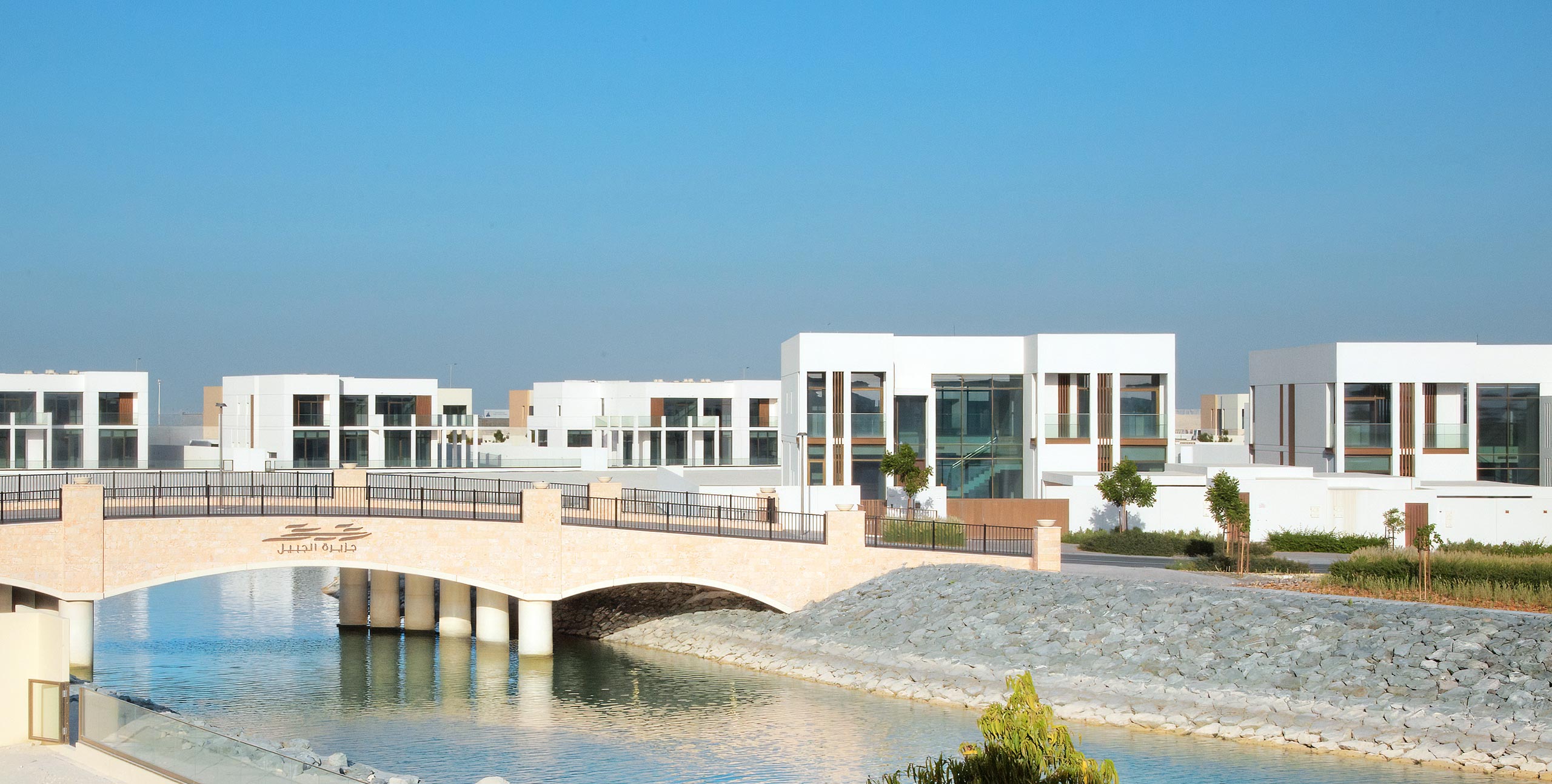
Take Jubail Island as an example. LEAD Development, established in Abu Dhabi in 2010, built its reputation on hospitality and residential projects including the Waldorf Astoria DIFC and the villa community at Hidd Al Saadiyat. On delivery: island infrastructure was completed and energised before residents moved in, and more than 1,000 homes have been handed over. Abu Dhabi City Municipality recognised the construction programme for seven million man-hours without a lost-time injury — the kind of detail that never reaches a brochure but tells you how a site is run.
Current off-plan availability is limited to Bada Al Jubail, the newest of the six villages. All units across the other villages are sold.
A Buyer’s Checklist Before Signing
Whatever the project, a careful off-plan purchase in Abu Dhabi rests on the same short list of checks:
- Confirm the project and developer are registered with the Abu Dhabi Real Estate Centre, and verify the project’s escrow account.
- Review the developer’s completed projects in person where possible. Finished communities reveal more than any showroom.
- Read the Sale and Purchase Agreement closely: completion date, specifications, delay provisions, remedies and exit terms.
- Understand the full cost picture, including registration fees and service charges, not just the payment plan.
- Confirm the freehold status of the unit and how title will be registered.
- Take independent legal advice. On a purchase of this scale, it is a modest cost for considerable clarity.
Weighing It All Up
Off-plan buying rewards patience and thoroughness. The advantages are real, and Abu Dhabi’s regulatory framework has removed much of the uncertainty that once surrounded buying before completion. Most of what remains comes down to one decision: choosing a developer whose finished work you can go and stand in.
So go and stand in it. Visit completed villages, ask direct questions about delivery and management, and let the answers decide.