How LEAD Development Built Jubail Island Into One of Abu Dhabi’s Landmark Communities
HOMEBlog How LEAD Development Built Jubail Island Into One of Abu Dhabi’s Landmark Communities
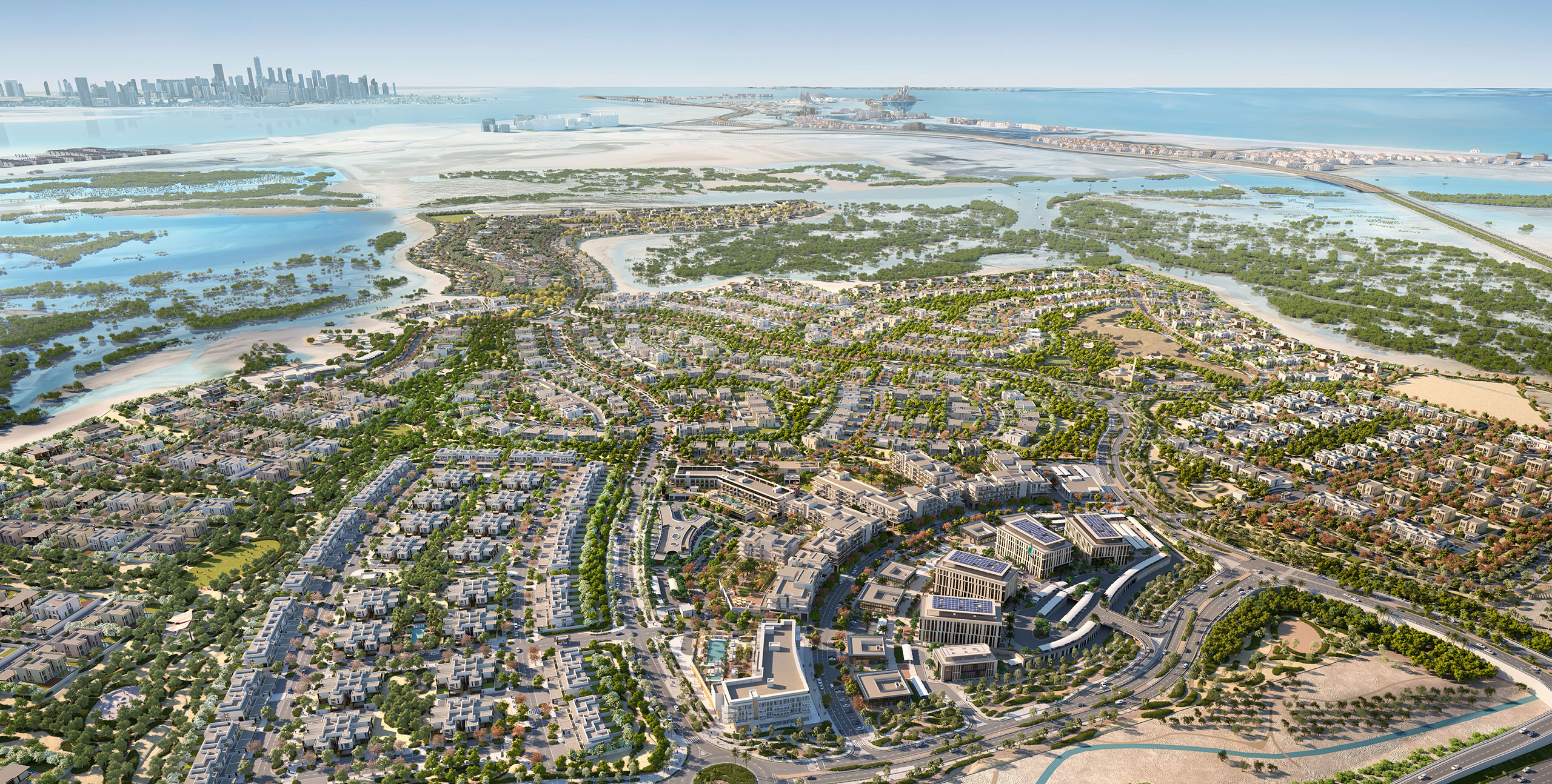
Jubail Island has become one of Abu Dhabi’s most recognisable residential destinations thanks to a series of strategic decisions made early and upheld consistently. The island is owned by Jubail Island Investment Company (JIIC) and planned and developed by LEAD Development. From the outset, LEAD chose to protect most of the land, deliver infrastructure before homes, design six distinct villages instead of one large estate, and ensure that the development was executed to long‑term, world‑class standards.
Today, more than 1,000 homes have been handed over, and the island features a thriving mangrove park, schools, a marina, and a town centre. This article explores how the LEAD Development–JIIC partnership transformed a protected coastline into one of Abu Dhabi’s landmark communities.
Who Is Behind Jubail Island?
Two entities drive the project:
JIIC – the owner of Jubail Island
LEAD Development – appointed to plan and develop the island
Founded in Abu Dhabi in 2010, LEAD Development brings extensive experience from high‑end hospitality and residential projects, including Waldorf Astoria DIFC and Hidd Al Saadiyat. This hospitality background shaped LEAD’s approach to Jubail Island: designing the full resident journey and ensuring the built environment supports long‑term quality of life.
In 2024, Construction Week ranked LEAD among the top six developers in the GCC, reflecting its growing regional influence.
Decision One: Protect Most of the Island’s Natural Landscape
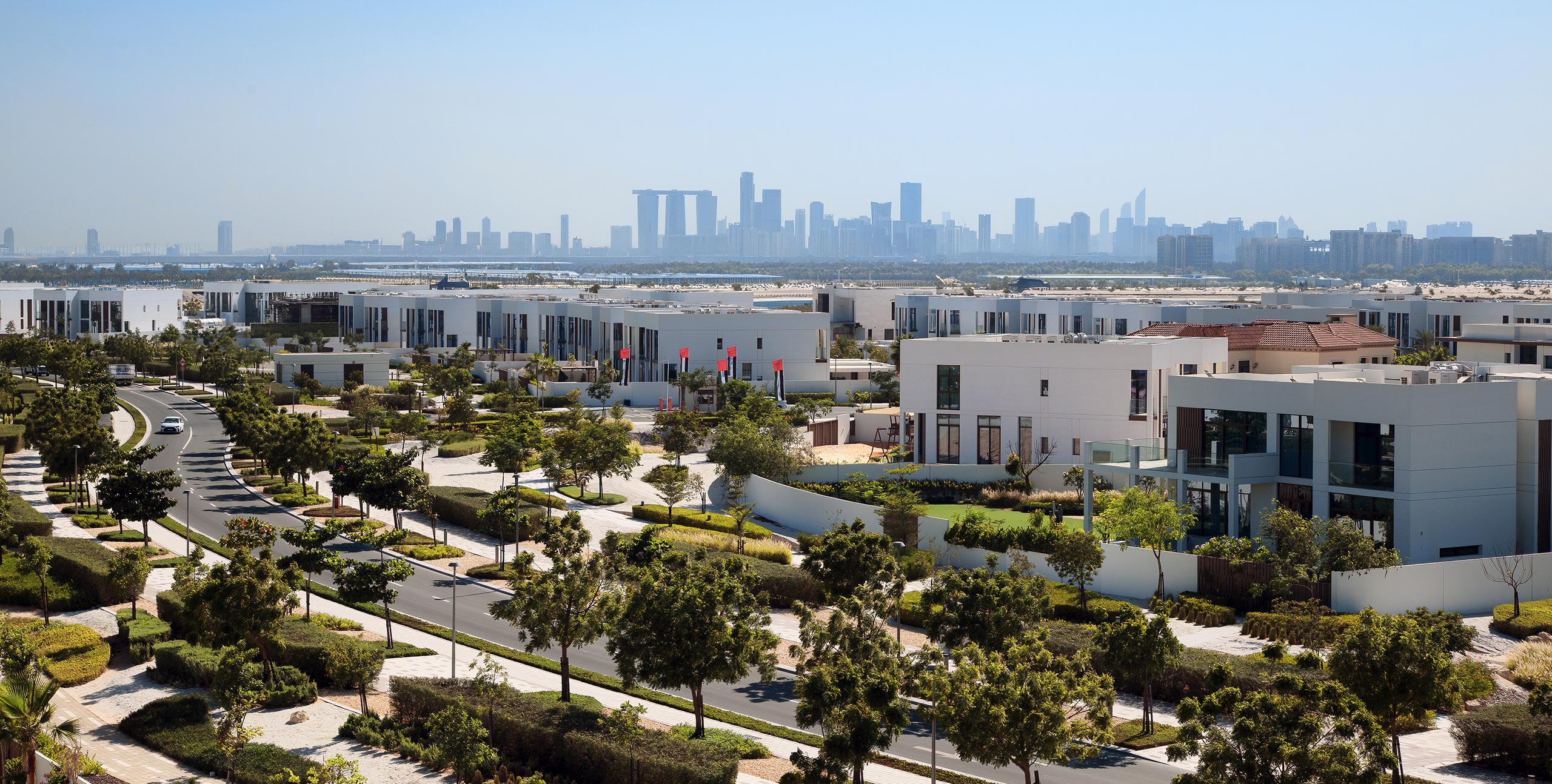
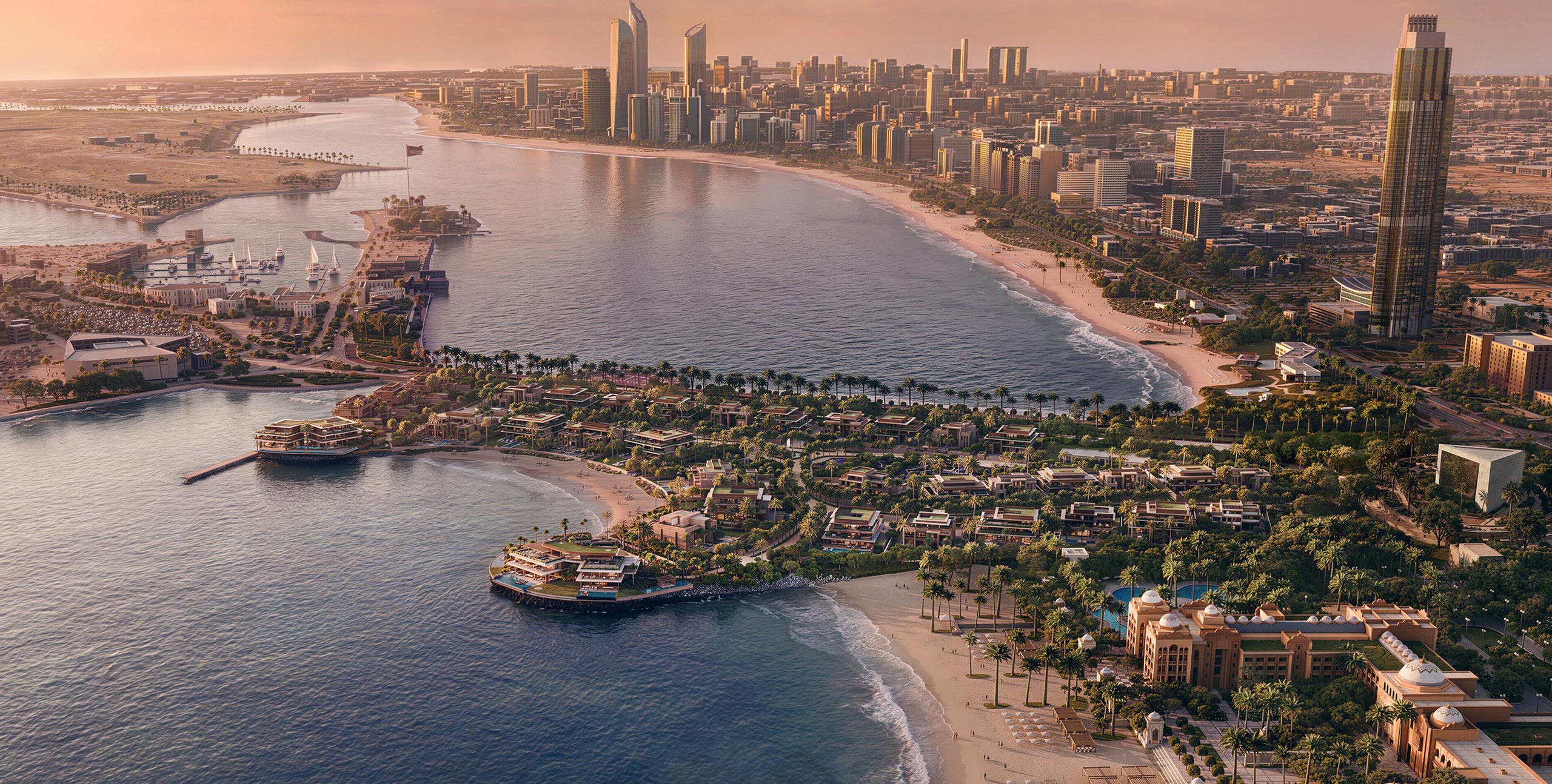
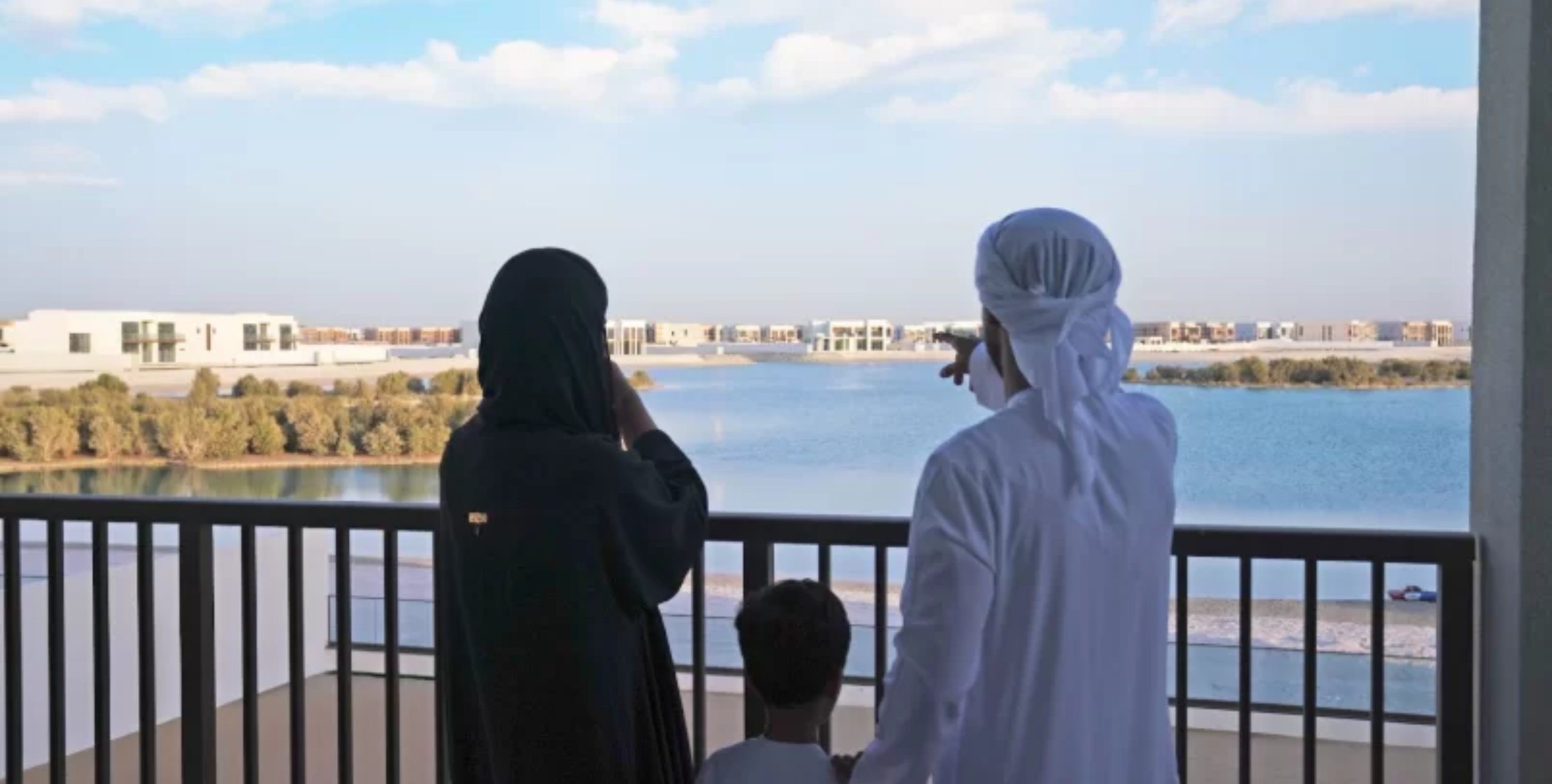
Jubail Island sits between Yas Island and Saadiyat Island, surrounded by mangroves, tidal channels, and more than 30 km of shoreline.
LEAD’s masterplan develops only 20% of the island, preserving the remaining land as mangroves, water, and open space – including 1.2 million sqm of parks.
This low‑density approach is rare in real estate. Every hectare left untouched is a hectare not sold. But it is the reason Jubail Island feels calm, why island fauna still thrives, and why homes enjoy uninterrupted views of water and greenery.
Decision Two: Deliver Infrastructure Before Homes
On many projects, residents move in while roads and utilities are still being finished. At Jubail Island, LEAD completed the core infrastructure ahead of the first handovers, so the island was ready before its residents arrived.
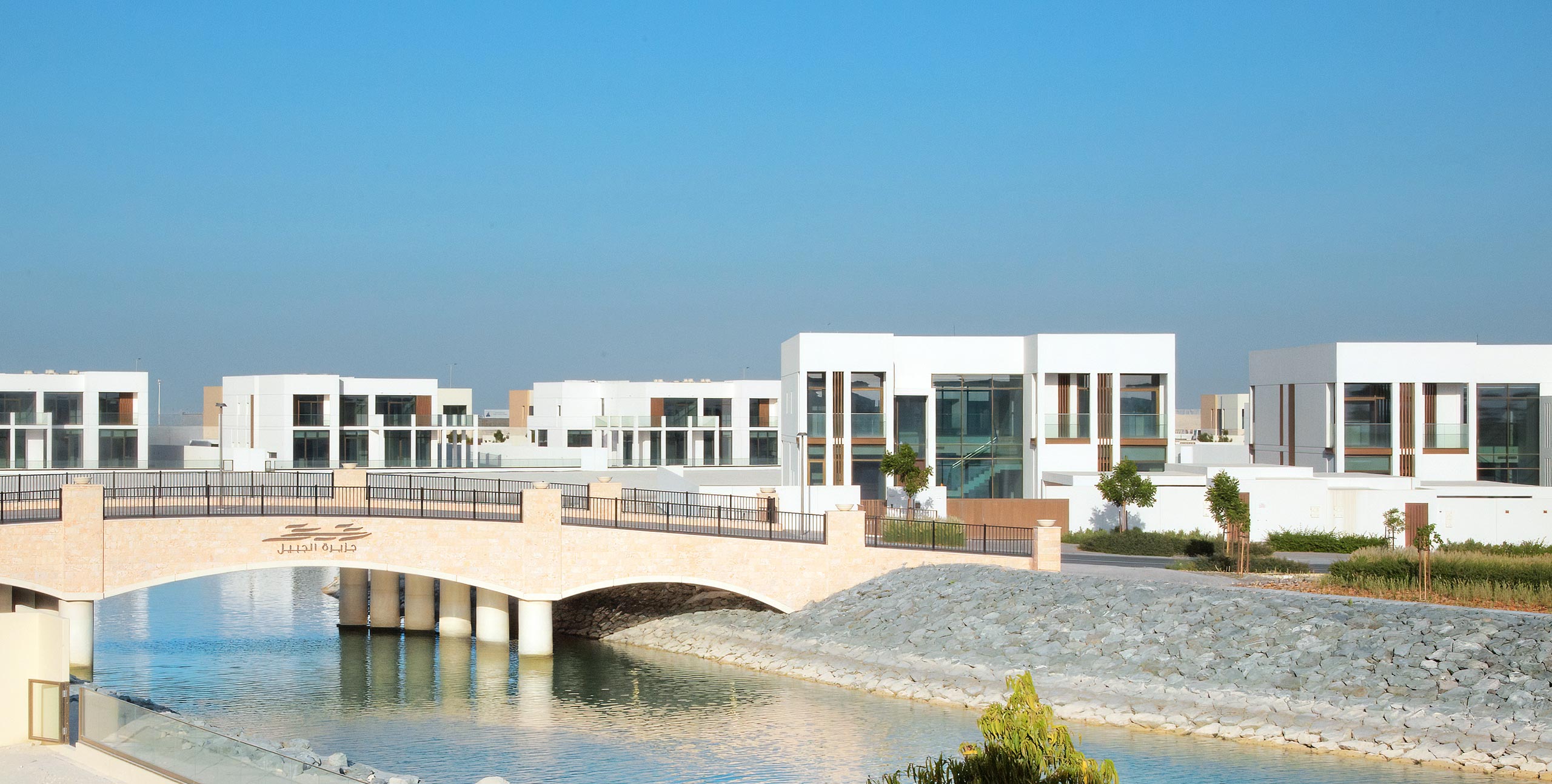
The main bridge linking Jubail Island to the Sheikh Khalifa bin Zayed Al Nahyan Highway (E12) was completed in May 2022, giving direct access through Exit 17.
The water network, main infrastructure and electrical substations became operational in 2023.
Safety was treated as part of quality. Abu Dhabi City Municipality recognised the infrastructure works, including bridges, for reaching 12 million man hours without a lost time injury.
By completing infrastructure early, LEAD made sure residents moved into a fully functioning community, with roads, power and water already in place. For buyers and investors, it was clear proof that the project was being delivered as promised.
Decision Three: Six Villages, Each With Its Own Character
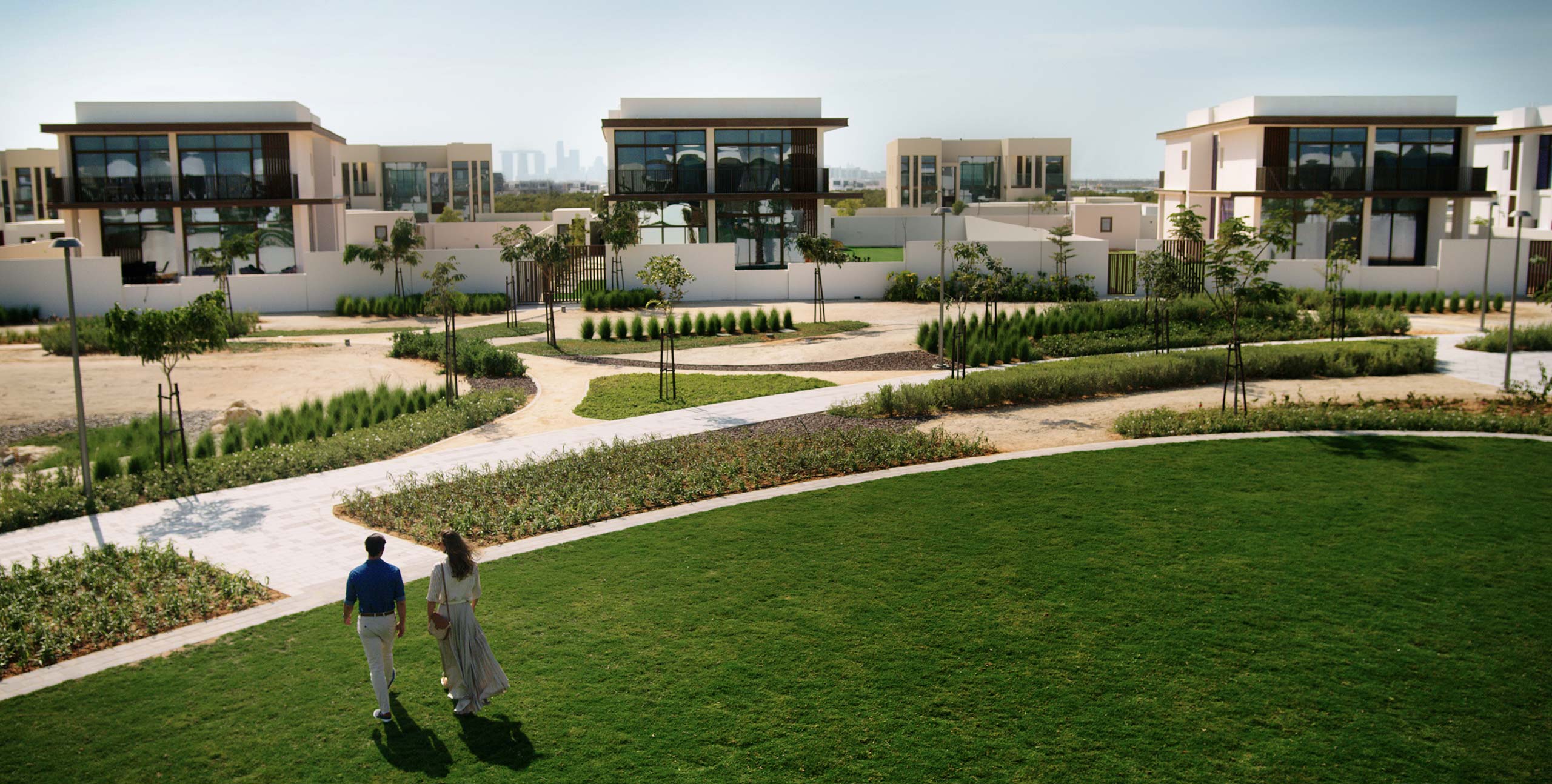
Instead of one large estate, LEAD designed Jubail Island as six villages, each with its own identity and all connected through shared schools, shops and leisure amenities.
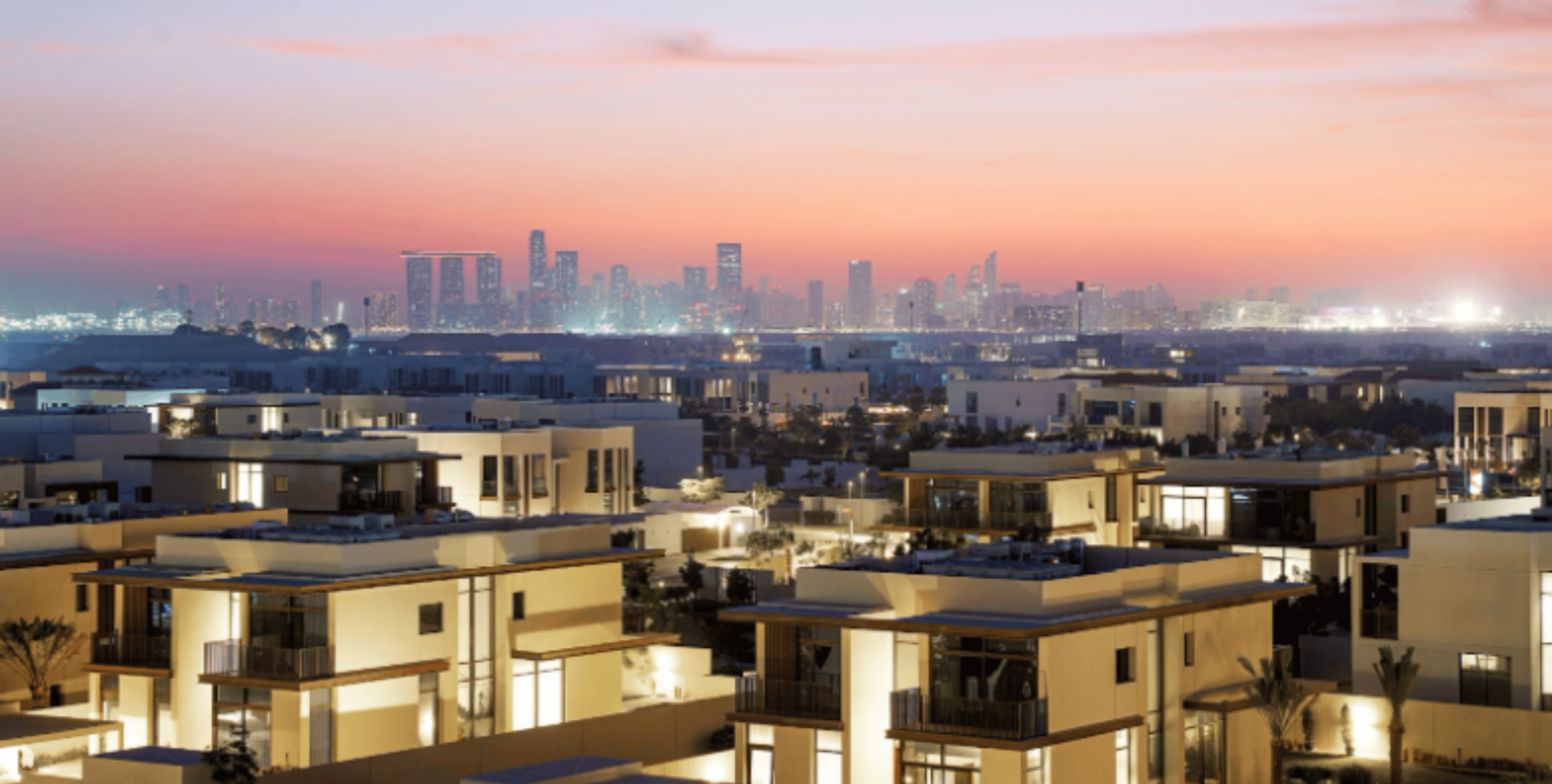
Marfaa Al Jubail looks towards Abu Dhabi Island and is home to the marina, a clubhouse and boutique apartments.
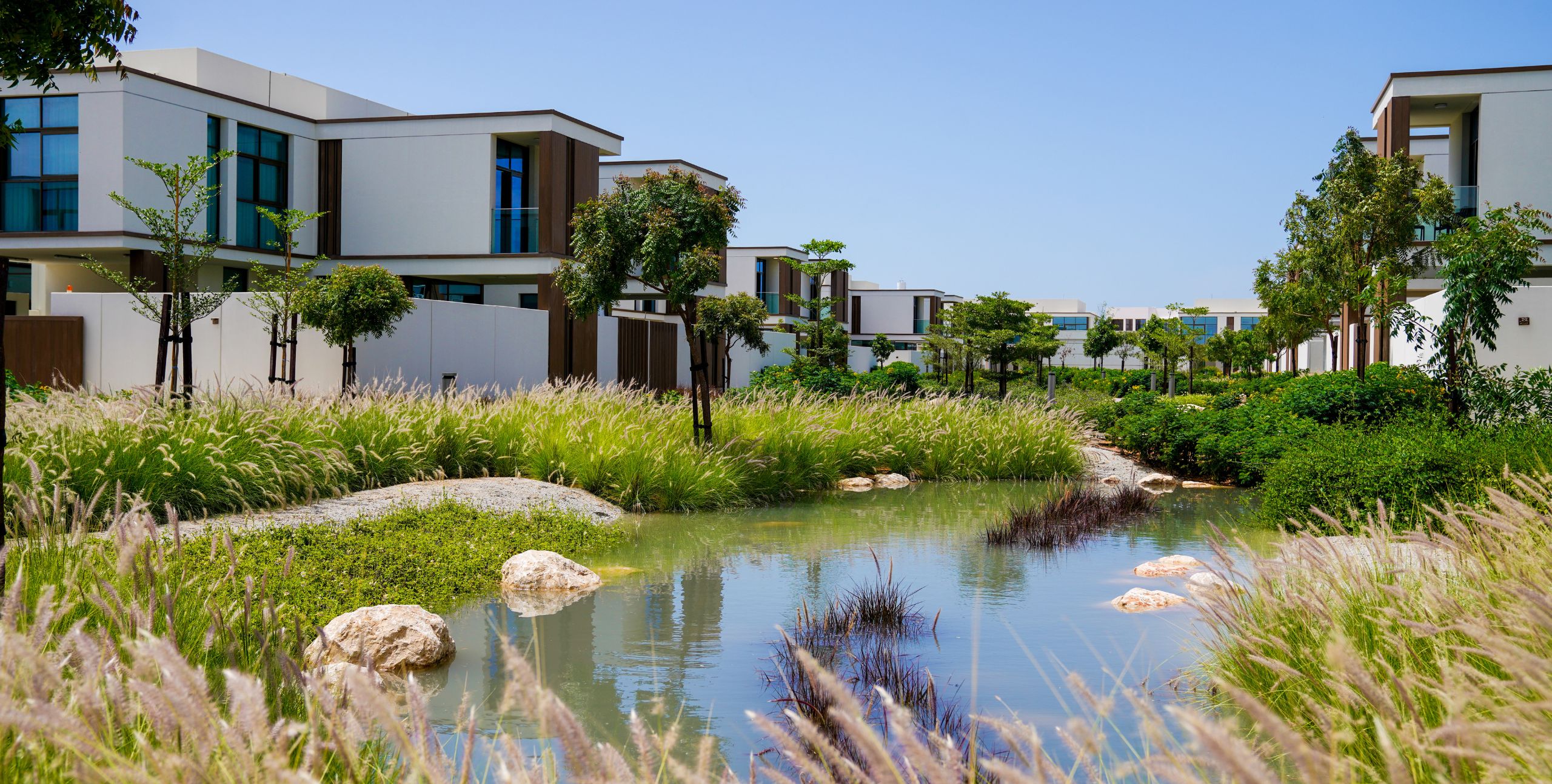
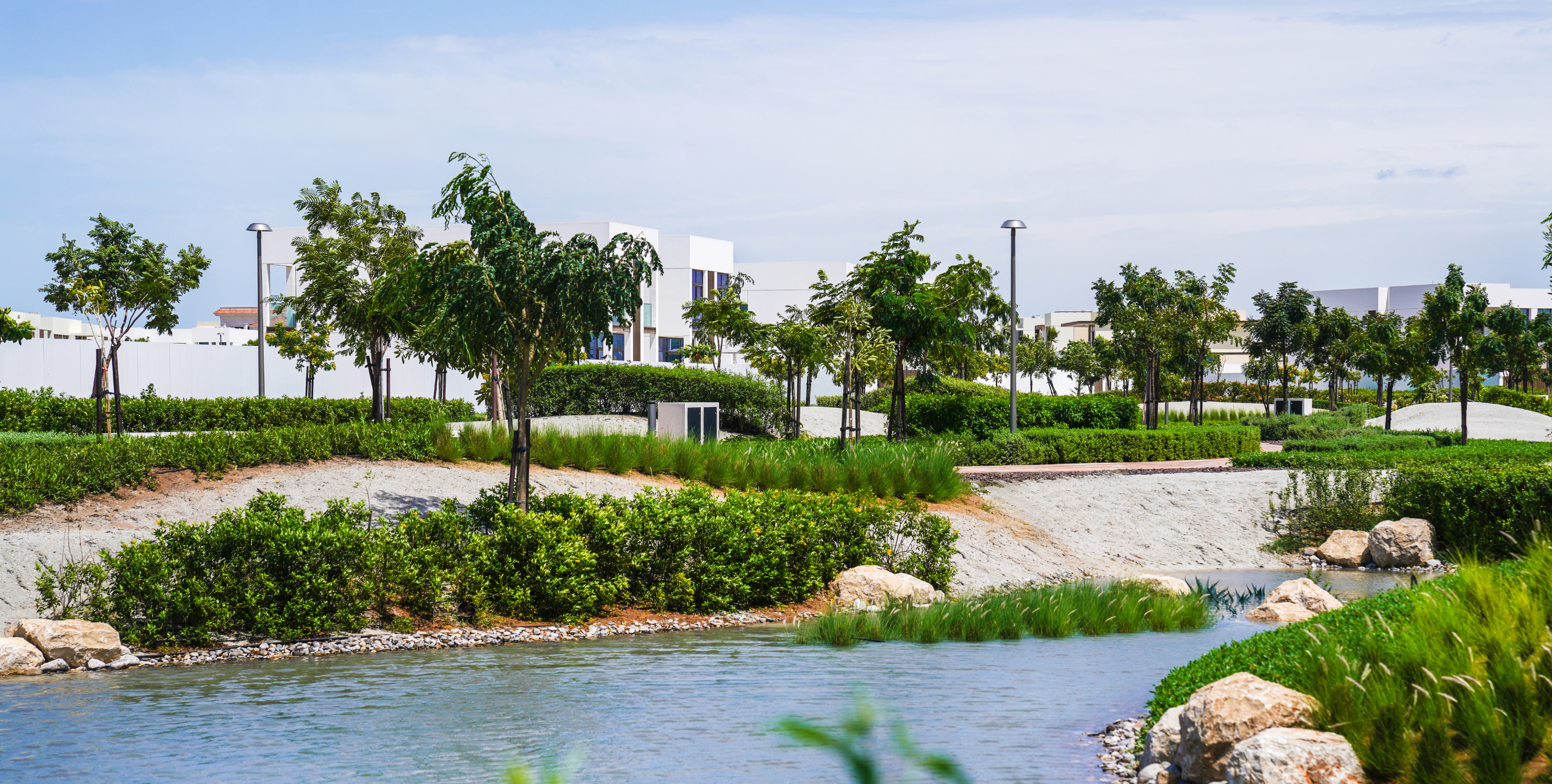
Nad Al Dhabi sits among natural hills and follows the idea of living in a park.
Souk Al Jubail is the town centre, with walkable neighbourhoods, plazas and shops.
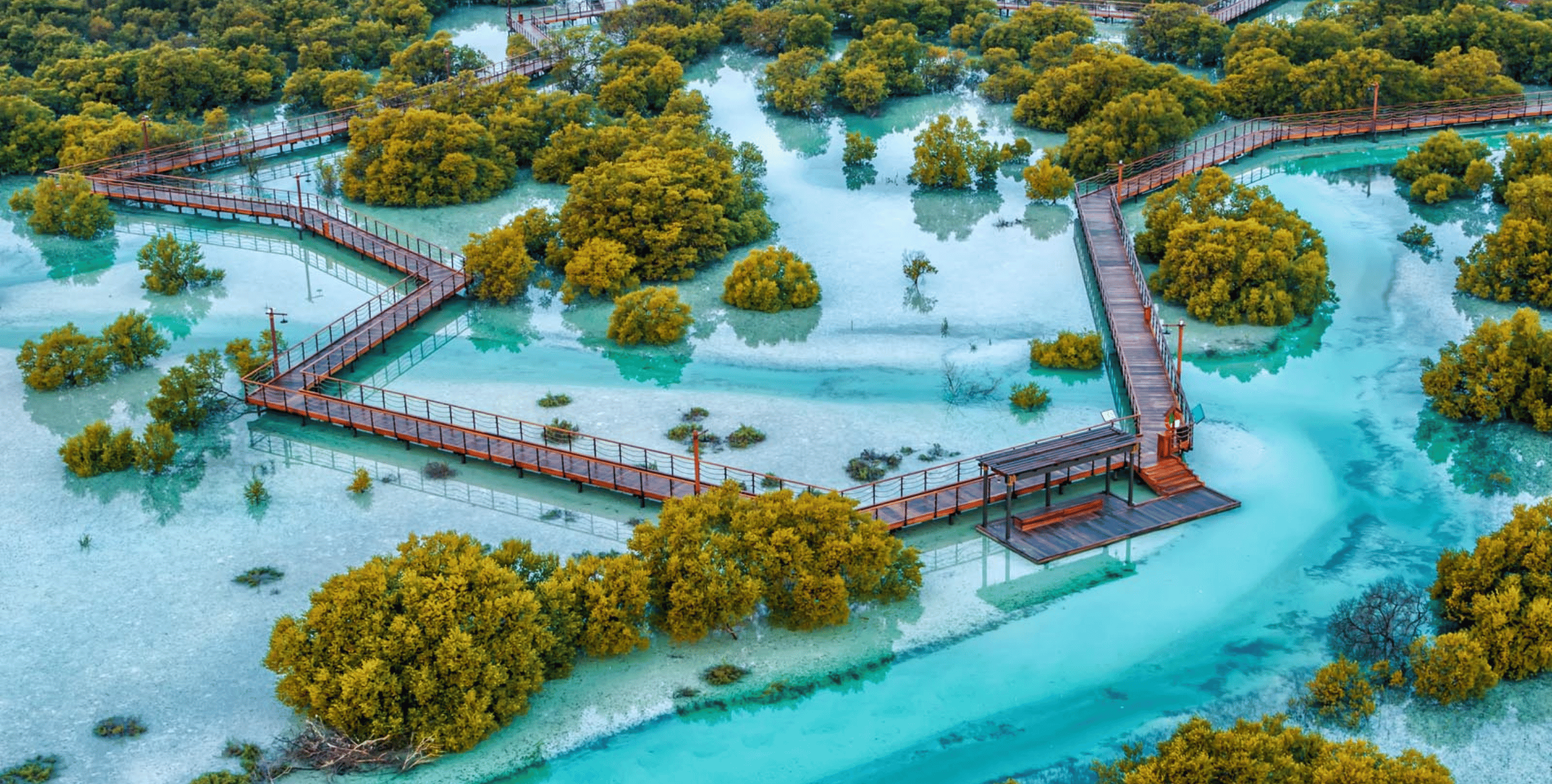
Seef Al Jubail is a quiet collection of homes linked by a boardwalk through the mangroves.
Ain Al Maha offers family villas close to parks, the beach and the beach club.
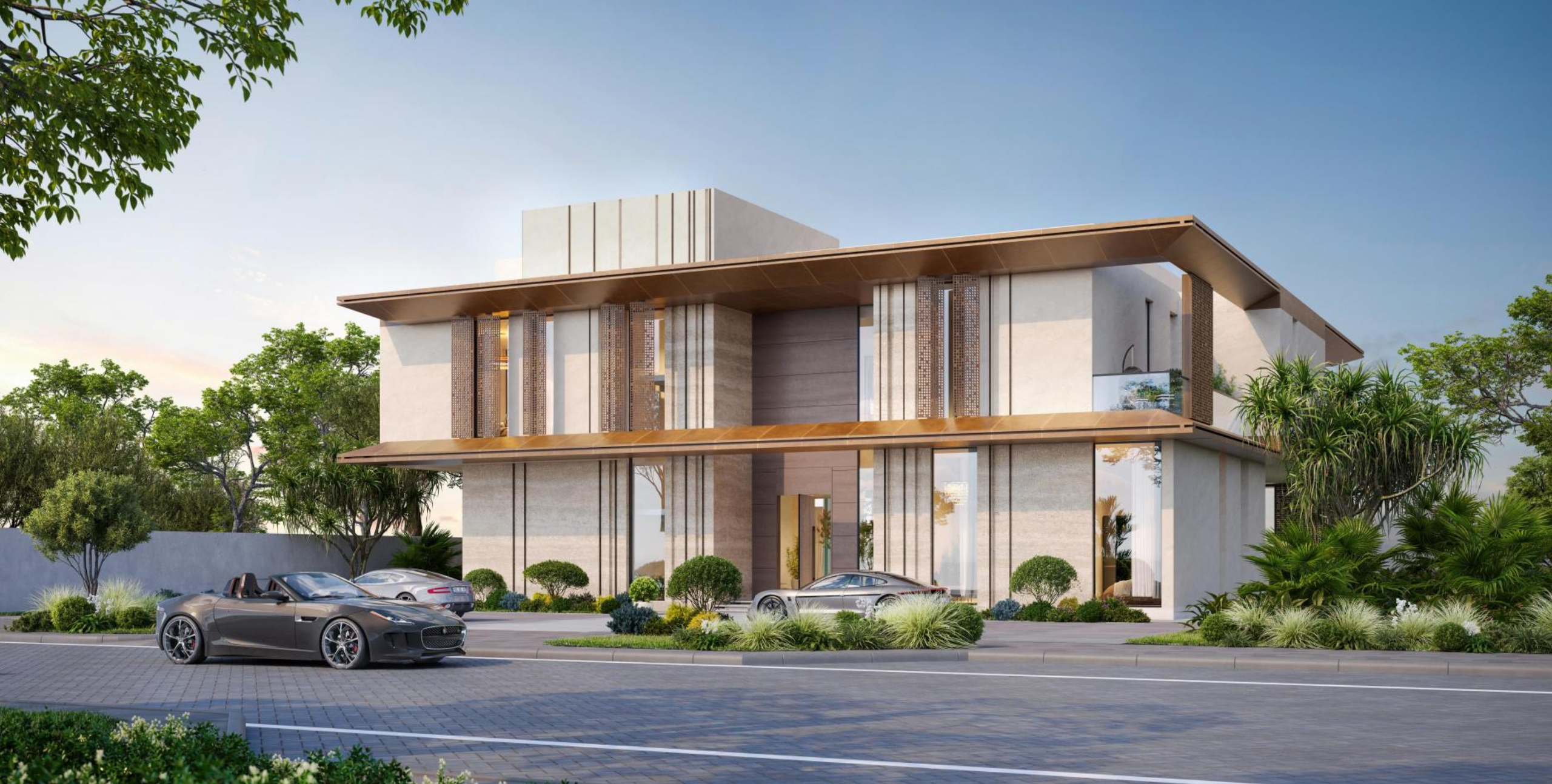
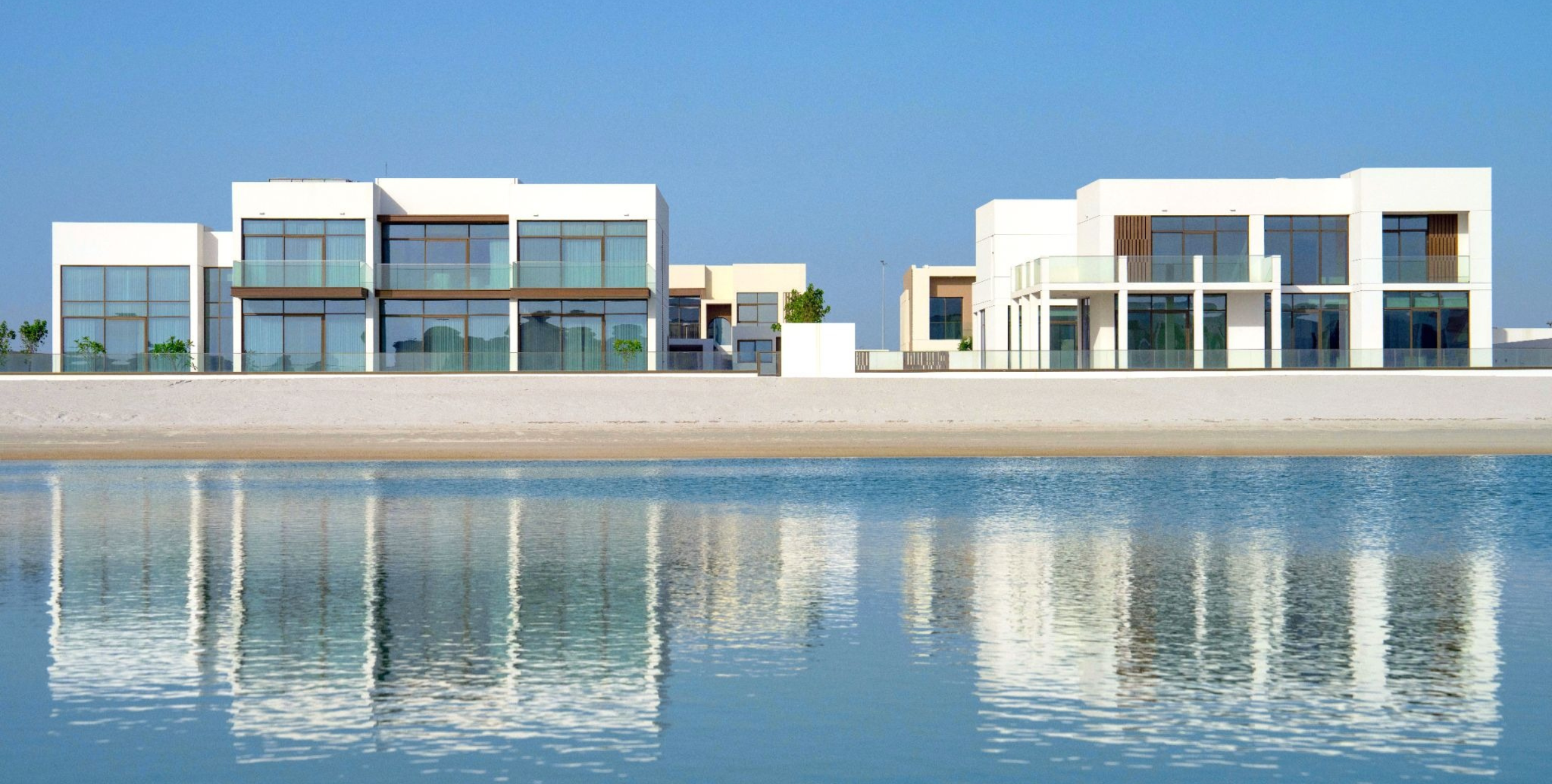
Bada Al Jubail offers private waterfront mansions with jetties and a yacht club.
International architects, including Arquitectonica and Ramón Esteve, helped shape the architectural language, guided by a simple brief: orient homes towards the water, respect the climate and let the landscape lead.
Pedestrian and cycling routes connect all six villages, reducing reliance on cars for everyday trips.
Decision Four: Put Nature at the Centre, With Measurable Partnerships
Sustainable property development in Abu Dhabi is easy to claim and harder to prove. LEAD partnered with government entities and global organisations so the impact could be measured. Key initiatives include:
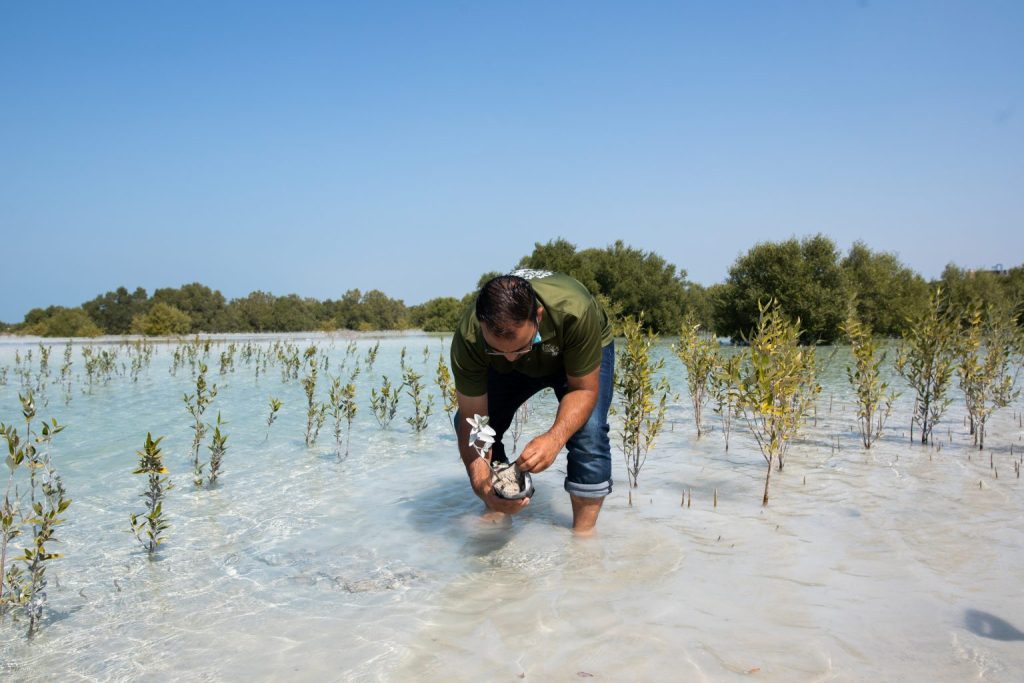
Jubail Island Mangrove Park opened as Abu Dhabi’s first dedicated mangrove ecotourism destination, with boardwalks, guided kayaking and learning programmes. The Abu Dhabi Mangrove Initiative was launched there in February 2022.
The Jubail Mangrove Innovation Centre is being developed with the Environment Agency Abu Dhabi. The agreement, signed in October 2023, focuses on mangrove research, restoration and protection.
Mangrove planting has brought in partners such as Etihad Airways and Marriott International, IFZA and Emirates NBD, as part of a plan to plant one million mangroves on the island.
Estidama: the community earned a 1 Pearl rating under the Estidama Pearl Community Rating System from Abu Dhabi’s Department of Municipalities and Transport.
Water management: retention ponds across the parks collect rainwater, reduce flooding and support the natural water table.
Together, these initiatives reinforce Jubail Island’s identity as Abu Dhabi’s leading nature-anchored community.
Decision Five: Build the Community, Not Just the Homes
A landmark community needs more than villas. LEAD planned the facilities of daily life from the start, building them into the masterplan rather than adding them later.
Residents have access to four themed community centres, Marsa Al Jubail marina, a beach club, cycling tracks and kayaking stations. Education is part of the plan too, with the Redwood Center of Excellence Nursery & Kindergarten in Souk Al Jubail and Gordonstoun School in Ain Al Maha. The island’s Public Arts Programme adds original artworks across shared spaces.
Financial partners also played a role. Abu Dhabi Islamic Bank supported construction financing and home finance, helping more families move into the community.
The Cost of Building This Way
LEAD’s approach required patience and long‑term investment:
Low density = fewer homes
Infrastructure first = major early capital outlay
Phased villages = longer development timeline
But the payoff is clear: established villages have sold out, and each new phase strengthens the island rather than leaving it feeling incomplete. For homeowners, this patience translates into long‑term value and stability.
Jubail Island Today
Jubail Island is now a community. More than 1,000 homes have been completed and handed over, and all units in the established villages are sold. Current availability is limited to Bada Al Jubail, where buyers can explore off-plan waterfront mansions in Abu Dhabi.
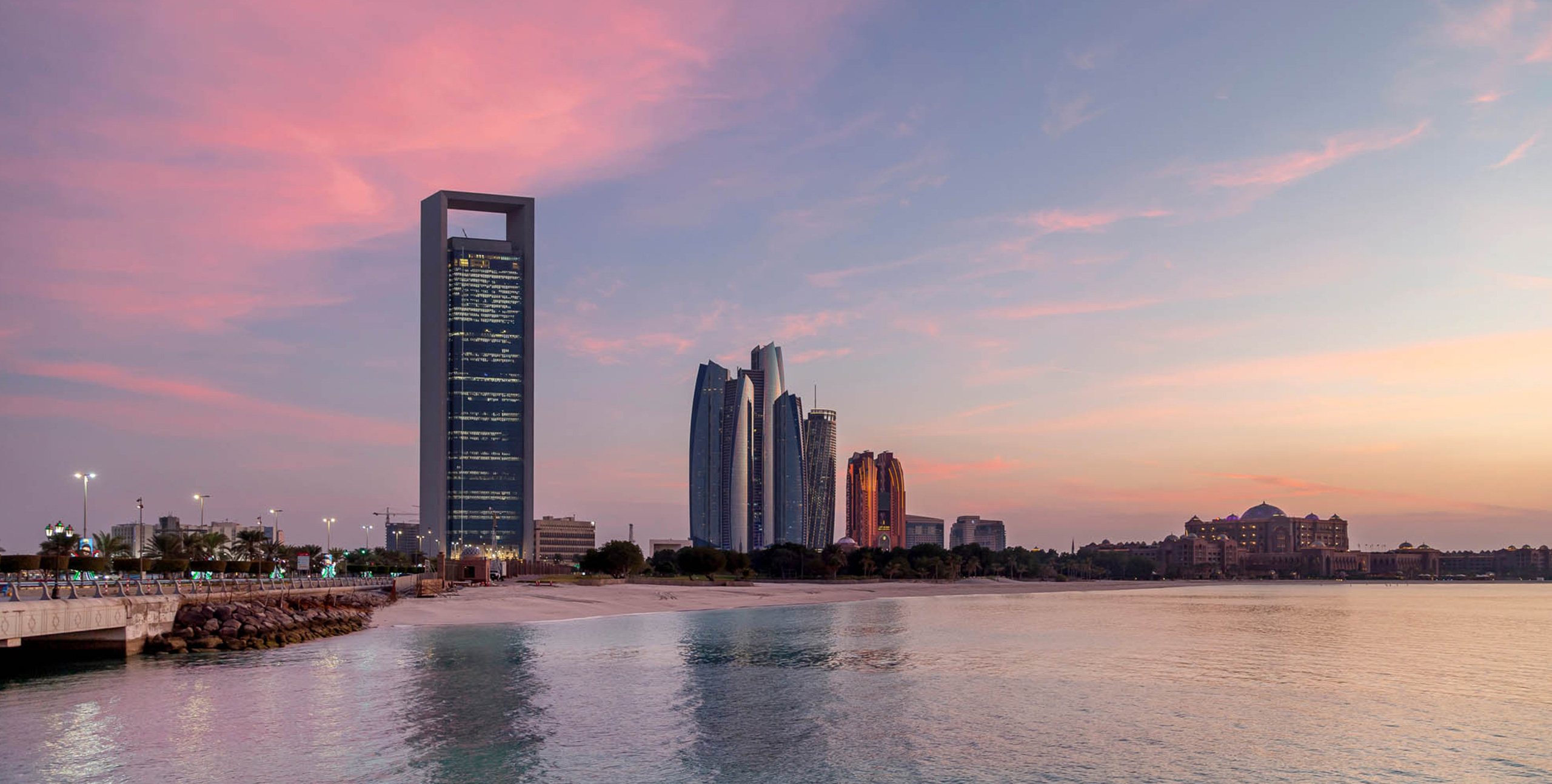
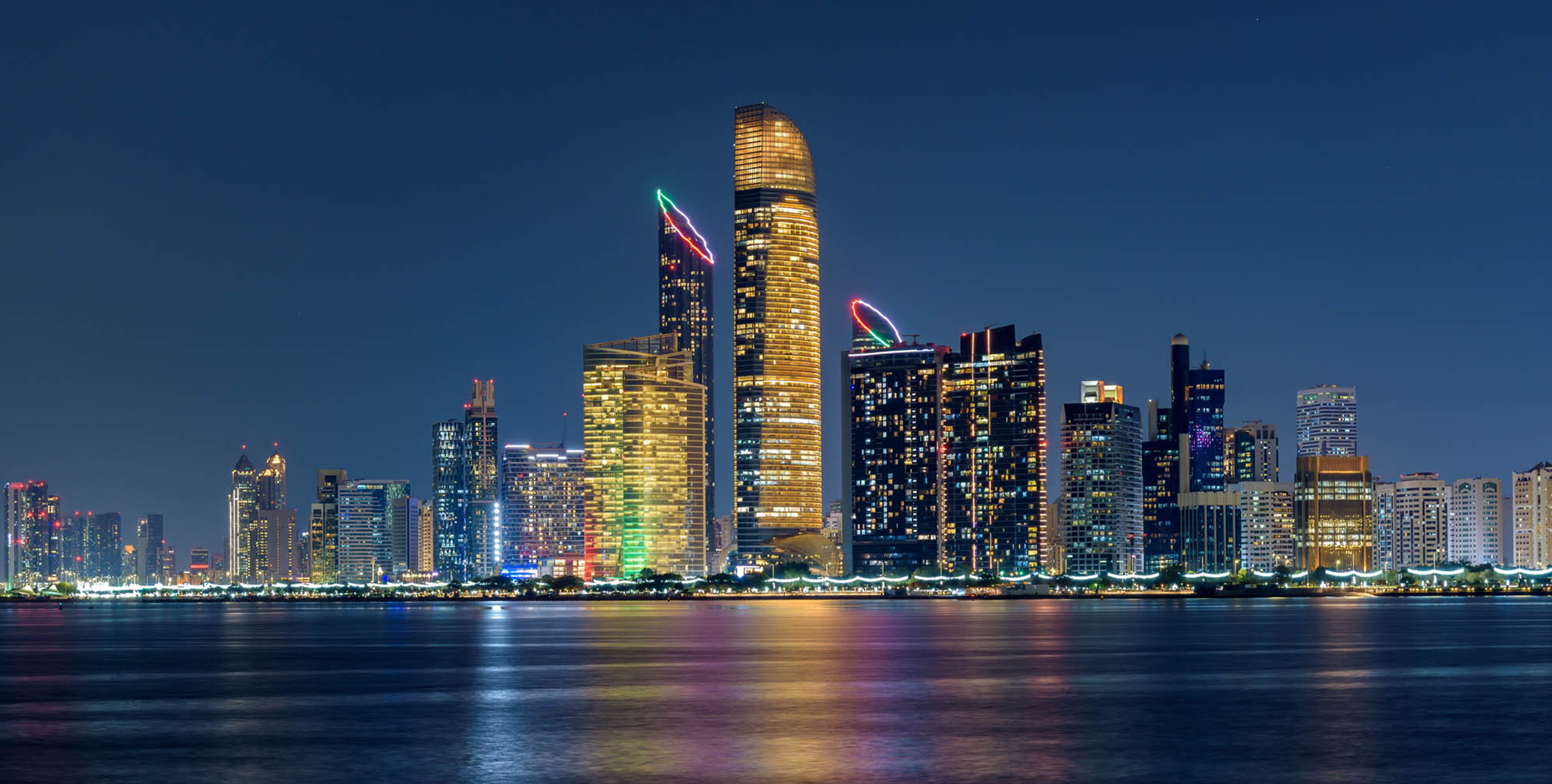
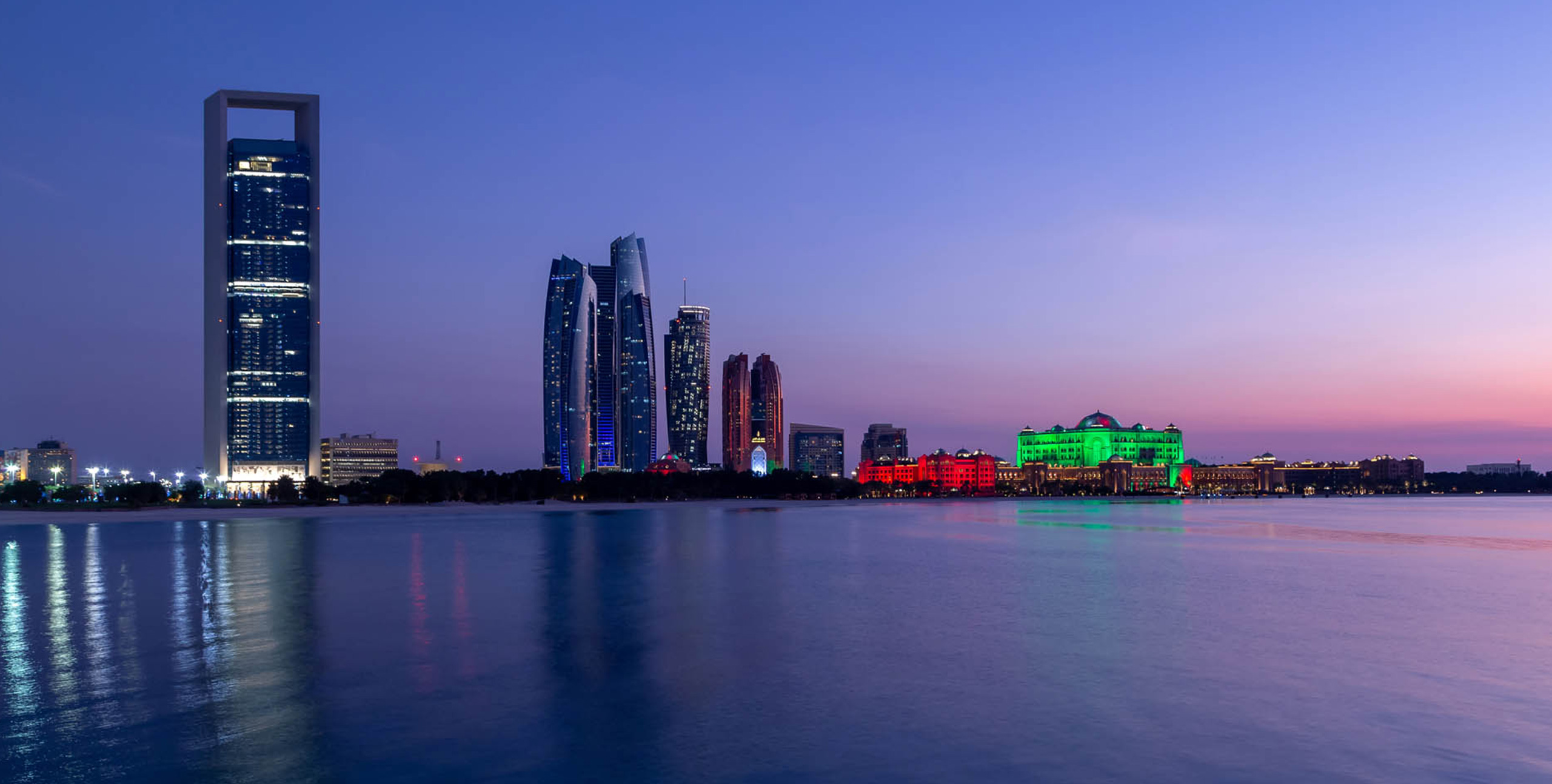
The island’s location, around 15 minutes from Zayed International Airport and close to the city’s major cultural districts, adds to its appeal, while its natural setting makes it feel worlds away.
What Can Be Learnt From Jubail Island
The LEAD Development–Jubail Island story comes down to five principles:
Protect the land that makes the place special.
Deliver infrastructure ahead of handover.
Plan villages at a human scale.
Prove sustainability through partners and measurable results.
Build with long-term vision, not short-term gain.
These choices turned Jubail Island into one of Abu Dhabi’s landmark communities and a model for future development in the UAE.
We use cookies to ensure that we give you the best experience on our website. If you continue to use this site we will assume that you are happy with it.